
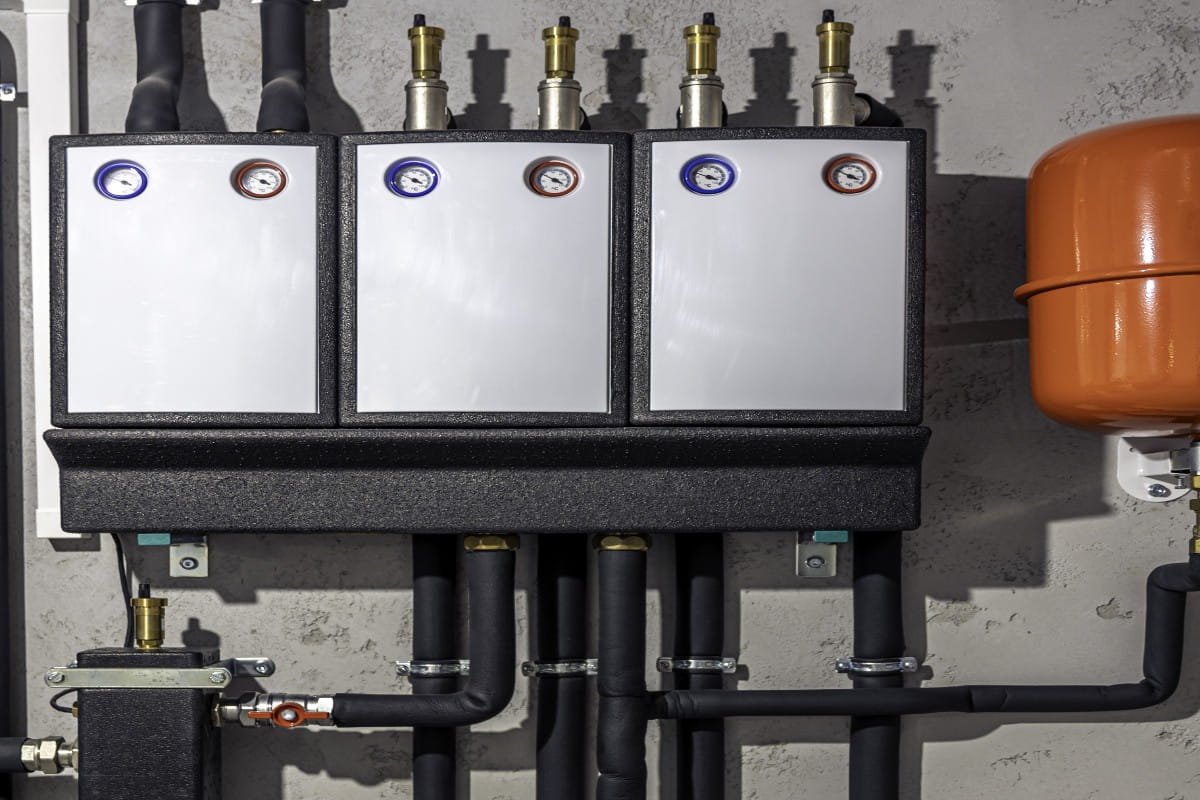
You walk into your utility room and you see it – a small puddle sitting under your water heater. Your stomach sinks a little. Is this a big deal? Can it wait until the weekend?
Here’s the straight answer:
Yes, a water heater leaking is dangerous. And no, it won’t wait.
It may seem innocent – just another drop in the sink. But there might be a failing pressure valve, tanks covered in corrosion, and you’re just one bad night away from flooding your basement or worse.
Let’s discuss exactly what you’re dealing with and how you can fix it.
The Real Dangers of a Leaking Water Heater
Most homeowners think of a water heater leak as a plumbing annoyance. But there are risks that go far beyond a wet floor
1. Electrical Shock and Fire Risk
If your electric water heater is leaking, there is a risk of water getting into the electrical components. Water and electricity don’t mix well. Short circuits, tripped breakers, or in the worst case scenario, a fire can set in. Even if nothing happens right away, the unit’s exterior can become charged. You touch it, and you get shocked. Shut the breaker first, then shut off everything else.

2. Gas Leaks and Tank Explosion
Gas water heaters have their own risks. If water hits the gas control valve or the burner assembly, things can break down pretty quick. But the biggest risk is the Temperature and Pressure Relief valve — the T&P valve. It’s the only thing that keeps your tank from over-pressurizing. If your tank starts leaking, it’s not random – it’s your tank telling you that the pressure inside is too high. Sometimes, a failed T&P valve and a surge of extreme pressure can cause the tank to explode. You could end up with a 40 to 80-gallon tank bursting into a projectile. It’s not often, but it has happened — and it’s very destructive.

3.Scalding Hot Water
A leaking or faulty T&P valve can also lead to the water in the tank heating way past the safe limit. Normal hot water temperature is about 120°F, but a malfunctioning unit can cause the water to heat much higher.
If that scalding water escapes through a crack or bad fitting, anyone nearby — including your kids — could get burned fast. The water can quickly become scalding.
Serious Water Damage and Mold
Even a slow drip, the kind that doesn’t seem urgent, can cause problems down the road. Water seeps under floors. It gets into drywall. It soaks into the subfloor. That kind of water heater damage doesn’t show up right away — but by the time you see warping or stains, it’s already spread far beyond where the leak started.
Mold can start to grow in 24 to 48 hours from moisture exposure. Once mold begins to grow in a dark, damp utility room, it spreads. Mold isn’t just unsightly; it’s a health risk for kids, seniors, and anyone with breathing issues. Repairing mold after the fact costs thousands of dollars, but catching the leak early only costs a service call.
Answering the Questions Everyone Has
- How Long Can You Go With a Leaking Water Heater?
Not too long. A few hours to shut off your power and water, yes. But if you leave it unchecked over the weekend or all weekend, you’ll have flooded rooms and wet floors.
A slow drip could be a failure without warning. You can’t tell how much time you have because you don’t know what it is.
Treat it like a gas smell — act on it now.
- Is it Safe to Leave a Water Heater Leaking?
No. I don’t. The answer is no. Absolutely not.
You don’t get a good ending when you hear “it’ll probably be fine.” Even if the leak looks small, the cause might not be. You’re watching the symptom, and the problem gets worse – pressure buildup, internal corrosion, leaking valve.
Shut it down and call a plumber. It’s as simple as that!
- Can a Leaking Water Heater Make You Sick?
Yes in a few ways.
The most common is mold. Moisture stagnating around a leaking water heater is the perfect breeding ground for mold and mildew. Breathing in mold spores regularly will cause respiratory issues, headaches, and severe allergies.
For gas water heaters, there is another danger — carbon monoxide. If damage from water changes or corrodes the venting around the heater, it could leak the gases inside the house instead of venting out outside. Carbon monoxide (CO) is an odorless, colorless gas that is deadly. If you suspect that your gas water heater has sprung a leak, be sure your CO detectors are working.
Read More: How to Fix a Leaky Kitchen Faucet Without a Plumber
How to Stop a Hot Water Heater From Leaking — Step by Step
You may also want to read this blog to learn some important tips on how to diagnose and fix a problem, but don’t try to do it until you’ve done all of these first.
Step 1: Shut Off the Power or Gas
Electric unit: Go to the breaker box and flip the breaker for the water heater.
Gas unit: Turn the gas valve on the gas unit to the “Pilot” or “Off” position. If you smell gas strongly, leave the house and call your gas company from outside.
Step 2: Shut Off the Water Supply
There is a cold water inlet valve at the top of the tank that you turn clockwise until it stops. This stops any new water from entering the tank and stops or slows the leak.
Step 3: Clear the Area
Move anything on the floor that could be damaged, such as boxes, clothes, storage. Lay down old towels or use a mop to soak up any water. Wet floors can be slippery, and standing water will damage your floors.
Step 4: Call a Licensed Plumber
A water heater is under pressure and temperature, and you aren’t going to take any chances on trying to figure it out yourself (or DIY patching a tank with internal corrosion).
A plumber will find out where the leak is coming from and determine whether it can be repaired or if you need a replacement.
Where Is the Leak Coming From?
Now that the power and water are off, you can get a good look at where the water is actually escaping. The first thing a plumber will do is find the water leak source — and you can get a head start by checking these common spots once the power and gas are off.
| Leak Location | Likely Cause | How Serious Is It? |
| Top of the tank | Loose cold water inlet valve, failing T&P valve, corroded pipe fittings | Usually fixable — but needs immediate inspection |
| Bottom of the tank | Faulty drain valve, internal tank corrosion, sediment damage | Often requires full replacement |
| Side of the tank | Internal corrosion eating through the steel shell | Almost always means replacement |
| Around the T&P valve | Excessive internal pressure, faulty valve | Urgent — call a plumber right away |
Hot water heater leaks from the bottom is one of the most common and worst situations. Usually, what you see is that the inside of the tank has corroded, and there is no repair. The tank needs to go.
A leaky water heater from the top is usually a good sign. Leaky fittings or a delinquent inlet valve are mostly easily fixed without having to replace the entire unit.
Don’t miss this article: How to Unclog a Kitchen Sink Drain in Quick & Easy Steps
Repair or Replace? Here’s How to Decide
Water heater leak repair is possible in many cases — it just depends on where the problem is and how old the unit is. Not every leak means you need a new water heater. Some do.
Repair is an option when:
- The drain valve is loose or clogged, a new valve costs about $10 to $20.
- The T&P valve on the rig is not working but the tank itself is fine.
- A pipe fitting or connection has become loose over time.
- The unit is less than 8 years old and otherwise in good condition.
Replacement is the answer when:
- The tank is leaking from internal corrosion (the rust color water is a great clue).
- The unit is 10 to 15 years old or more.
- You may have noticed more than one problem – not just a leak, but also fluctuating hot water, odd noises, and high energy bills.
- Cracks or visible damage are evident on the tank shell.
Pro Tip: If your tap water is coming out rusty or brown, it may indicate that the anode rod on your tank has failed and the tank itself is corroding from the inside out. At that point, repair money is usually wasted — replacement is the smarter call.
How to Prevent This From Happening Again
After you’ve dealt with the leak, here are a few things you can do so you don’t go through it again.
- Flush the Tank Once a Year
Sediment from hard water will settle at the bottom of your tank over time, mostly calcium and magnesium, which can cause your tank to heat up and corrode the steel. A flush every year will take about 30 minutes and add years to your water heater’s life.
- Check the Anode Rod Every 2 to 3 Years
The anode rod is a rod (usually magnesium or aluminum) that sits in your tank. It’s supposed to corrode so your tank doesn’t. Once it’s gone, the tank starts rusting. It should cost between $30 and $50 to replace, but can greatly extend the life of your tank.
- Test the T&P Valve Annually
The lever is still a bit heavy; just lightly press it down and let it snap back. Eventually, some water should leak out. If it continues to drip after the test, you will need to replace the valve. If there is no water coming out, there is a possibility the valve might be stuck.
- Add a Drip Pan and Leak Detector
A drip pan under the unit will catch any small leaks before they spread. A smart leak detector is inexpensive and easy to install, and you’ll get an alert on your phone when there is visible moisture. That’s the type of warning that can save you from a $5,000 flooring repair.
- Schedule a Professional Inspection Every Year
Plumbers can find problems with valves and pressure, look for the state of the anode rods, and catch problems you probably wouldn’t know about until they become an emergency. For a small sum, you get peace of mind.
What About Electric vs. Gas Water Heaters?
Both types of devices are susceptible to leaks and dangerous — but in different ways. In the case of electric water heater leaks, the problem is electrical. Water that touches live parts is a safety hazard and you should always disconnect the breaker first.
In the case of gas appliances, the risks increase due to gas leaks, problems with combustion, and even pressure issues. If you smell gas, don’t turn on any appliances – just leave and call your gas company.
Both types are equally vulnerable to damage caused by water, mold and tank failure due to corrosion or pressure.
Final Thoughts
A leaking water heater is no laughing matter. What appears to be just a bit of a puddle may mean something is very wrong inside a tank that holds 40 to 80 gallons of water under heat and pressure.
Turn off the power or gas. Turn off the water. Wipe up any mess left there. Call in a professional plumber before you have to.
The good news: If it happens early enough, you’ll almost certainly only have to get a repair (and not a complete replacement) to get back to normal. Waiting hours could be worse.
If your water heater is leaking right now, call a licensed plumber in your area for an inspection and estimate. It’s a lot cheaper than replacing it.
Editorial Note: This article has been carefully reviewed by a licensed plumber with extensive hands-on experience to ensure all advice on identifying, addressing, and preventing water heater leaks is accurate, practical, and safe for homeowners.