
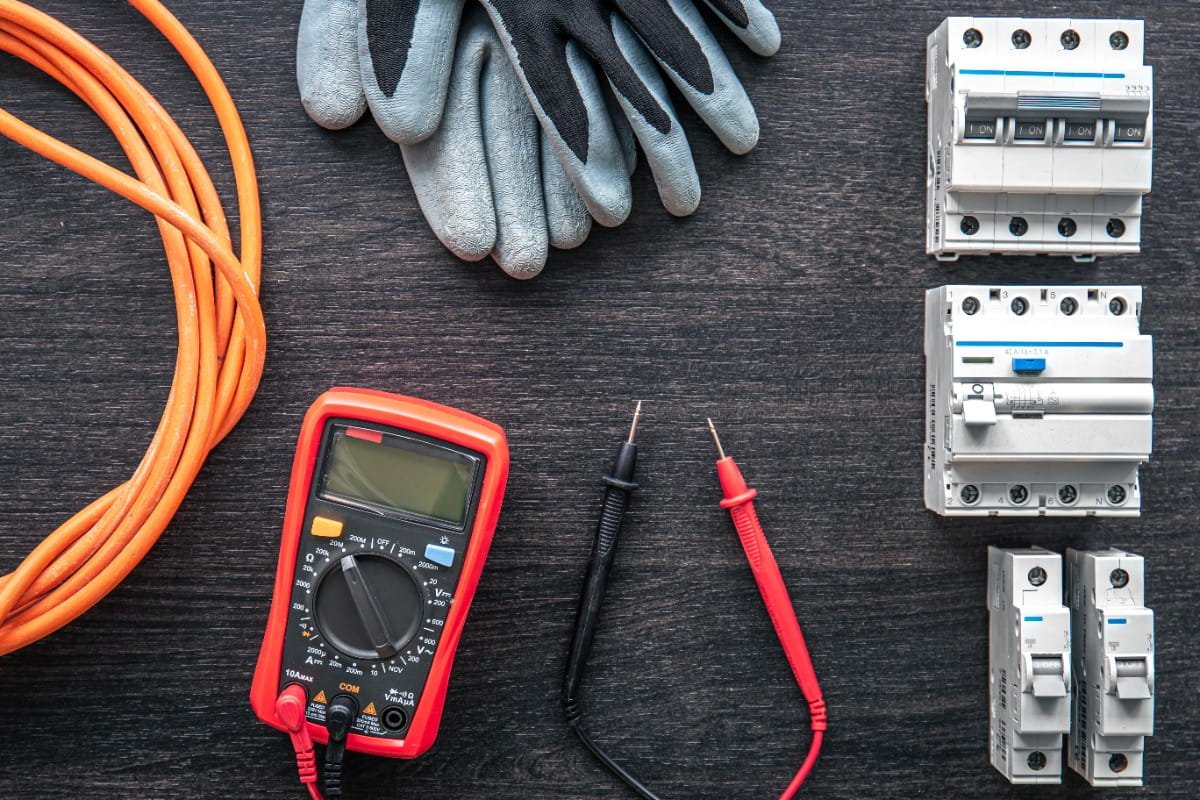
Electricity runs nearly everything in your home, but it can also burn your house down. That’s a scary thought.
You flip a light switch, and nothing happens. Or worse, you smell burning plastic coming from the wall. Every homeowner has had these scary moments at some point in their lives.
Finding common electrical problems in homes, causes and solutions is crucial to keeping your family safe, and for your home here in the US to protect its value.
Let’s fix these issues right now.
Let’s talk about what goes wrong. And exactly how to deal with it safely.
What are the most common electrical problems in homes?
Aging houses are the biggest problem. You may live in a house built decades ago, and it was not like you had big flat-screen TVs or smart fridges.
Old wiring simply cannot handle today’s heavy power loads. A homeowner with old knob-and-tube or aluminum wiring is at greater risk for overloading.
Then there is bad DIY work. Probably the previous owner watched a few minutes of a web video before they tried to rewire their kitchen themselves.
Not smart. This type of sloppy work creates hidden traps behind your drywall, and the result is overloaded circuits and extreme fire hazards.
Signs Your Home Wiring May Be Outdated
Electrical systems in many older homes are not designed for the needs of modern appliances, smart devices, HVAC systems, computers and high-power kitchen equipment. Even if all the wiring is functional in your multidecadal home, that does not necessarily mean it is safe or efficient.
Aluminum wiring is a big red flag. Aluminum wiring was used in some homes that were built during the 1960s and 1970s instead of conventional copper wire. Aluminum wire expands more and contracts more than copper, loosening connections over time and creating a potential fire hazard.
Knob-and-tube wiring is another old technology. That style of wiring can also be seen in some very old houses. It does not necessarily include a grounding wire, and as a result, modern appliances and electronic devices may be left without adequate protection.
Especially an old fuse box. Fuse boxes were used widely before modern breaker panels, and in fact, they are frequently inadequate for current electrical requirements. Frequent blowing fuses, or having to constantly replace bad fuses may indicate that your home also needs an electrical inspection.
Below are a few other indicators that your electrical system may be out of date: Frequent breaker trips, lights flickering, outlets warm to the touch, popping or buzzing sounds from outlets (especially those with two-prong ends), and a burning smell. The NFPA says that there is no reason for this, and that frequent blown fuses or tripped breakers, warm outlets, and tingling when touching appliances are warning signs of electrical problems.
Don’t let it go if motor home has no grounding, old wiring, or troubled electrical troubles. Contact a licensed electrician for an inspection to determine what upgrades are required.

What Are the 10 Common Electrical Problems and Solutions?
You want to know what you are looking at. The early warning can save a life. Here is a list of the most common problems you will see.
Frequent Circuit Breaker Tripping
There was no power while you were tying your hair. Your circuit breaker kept tripping. It’s not normal.
Cause: You have an overloaded circuit. You are asking one wire to do too much work at once. You may also have a short circuit or ground fault.
Solution: Unplug your heavy appliances and move your space heater or hair dryer to another room. If the breaker trips again, you may need a panel upgrade.

Pro Tip: Label your breaker panel. This will make troubleshooting electrical problems much easier when the lights go out.
Flickering or Dimming Lights
You feel like you live in a haunted house. Flickering lights in house rooms are very distracting and suggest that a circuit breaker is loose.
Cause: The connection is poor somewhere. It could be a loose bulb or the switch itself could be faulty.
Solution: Turn off the switch and tighten the bulb. If that doesn’t work, it might be deeper in the walls. Call a pro for help.
Pro Tip: Pay attention to when the dimming happens. Is it only when the AC kicks on? If so, then you probably have a grid issue.
Warm or Sparking Outlets and Switches
You can feel a warm electrical outlet. Don’t ignore it.
Cause: If there is too much wiring inside, it arcs, and electricity jumps over the gap, producing heat.
Solution: Stop using that plug immediately. Go to your panel and shut off the power to that room. You need to replace the outlet completely.
Pro Tip: Do a quick touch test around your house once a month. The plastic should always feel room temperature.
Dead Outlets
You plug in your phone charger. Nothing happens. Dead outlets happen all the time, particularly in kitchens and bathrooms.
Cause: GFCI (Ground Fault Circuit Interrupter) tripped in the middle of the night, trying to save you from a shock. Or the loose, damaged, or failed connection.
Solution: Look for the little buttons on the outlet. Press “Reset” firmly. Check your main panel as well.
Pro Tip: If you see black scorch marks around the slots on a dead plug, please do not touch it, as it indicates there was a mini-fire inside.
High Electric Bills
No one likes opening a huge bill. You are paying way too much. Your house might be leaking energy.
Cause: You are using old or inefficient appliances, or your wiring has split, and current is slowly leaking into the ground.
Solution: Change your old bulbs for LEDs. Patch any exposed wires safely. Do a home energy audit.
Pro Tip: Watch out for phantom loads. Your coffee maker and TV drain power even when they are turned off. Unplug them.
Light Bulbs Burning Out Too Fast
You just bought new bulbs last month. Now they are dead again. This gets really expensive really fast.
Cause: It’s likely your bulb has a much too high wattage for the fixture, or you have a lot of insulation packed in the recessed lighting.
Solution: Always read the sticker inside the light. Never exceed the max wattage of the light. Check your home voltage with a multimeter.
Pro Tip: Replace the bulb if it is in your ceiling fan because of the constant vibrations. Buy heavy-duty bulbs for appliances.
Electrical Shocks When Touching Appliances
You touch the metal toaster, and you get an electric shock. That is scary. You are literally being electrocuted by the wire.
Cause: The appliance may have a damaged cord, internal fault, missing ground, or GFCI issue, or the wires in the toaster may be frayed and touching the metal case.
Solution: Drop the appliance. Stop using it. Make sure you have a grounded wire in your wiring.
Pro Tip: Never place metal appliances near the kitchen sink. Water and wires can get messy!
Ungrounded 2-Prong Outlets
Check the walls of an older house. You will see a lot of old 2-prong plugs that have lost the round hole at the bottom.
Cause: Old building codes from the 1960s. Back in those days, grounding was an afterthought.
Solution: You can replace the outlets with GFCI outlets without tearing up the walls.
Pro Tip: Throw out those cheap 3-to-2 prong adapters that trick you into thinking your heavy appliances are safe. They are not.
AFCI vs GFCI: What Is the Difference?
AFCI protection protects against smaller electrical dangers such as arcing, while GFCI protection stops most ground faults from occurring and let you know when your outlets are safe to use again.
A GFCI or Ground Fault Circuit Interrupter helps to prevent electric shock. It is typically applied in locations where water may appear, such as kitchens, restrooms, garages, basements, laundry rooms and outside outlets.
An AFCI, which stands for Arc Fault Circuit Interrupter, protects against a specific type of electrical fire. This occurs when the wires become damaged, loose or overheated and a spark flies to present an arc fault danger. AFCI Protection: ASFI suggests an electrician question if your home needs this and stay away from overloaded circuits & damaged cords.
Here is the simple difference:
| Protection Type | Main Purpose | Common Location |
| GFCI | Helps protect people from electric shock | Kitchens, bathrooms, garages, outdoors, laundry areas |
| AFCI | Helps protect against electrical fires from arcing | Bedrooms, living rooms, hallways, and many modern circuits |
| Dual-function breaker | Provides both AFCI and GFCI protection | Used where both shock and fire protection are needed |
If your home has older two-prong outlets, no GFCI protection near water, or no AFCI protection in living areas, ask a licensed electrician whether your system should be upgraded.
Read More: Interior Design Styles: How to Blend Traditional and Modern Design
Backstabbed Wiring Connections
If your outlets randomly stop working or feel loose, the problem may be a poor wiring connection behind the outlet. In some homes, wires are pushed into the back of the outlet instead of being secured more firmly.
Cause: These push-in connections can loosen over time as the outlet heats, cools, and gets used regularly. A loose connection may cause power loss, heat buildup, sparks, or even a fire hazard.
Solution: Do not remove the outlet or touch the wiring yourself. Turn off power to that area if you notice heat, sparks, burning smells, or repeated outlet failure. Then call a licensed electrician to inspect and repair the connection safely.
Pro Tip: If one outlet has loose wiring, other outlets in the same room may have the same issue. Ask the electrician to check nearby outlets during the inspection
Fishy Smell Coming from Outlets or Walls
You walk in the living room, and you smell old fish or burning plastic. You check the trash can. It is full.
Cause: The insulation around your wires is melting in the wall, and this is what causes this foul odor.
Solution: Go to your main breaker panel. Turn off the main switch immediately. Call 911 or an emergency electrician immediately.
Pro Tip: Never spray air freshener to cover weird smells near electronics. Find the source fast.
DIY vs Call an Electrician: What Is Safe for Homeowners?
Some small electrical tasks may be safe for homeowners, but wiring, panels, breakers, and outlets can be dangerous if handled incorrectly. The safest rule is simple: if the problem involves wiring behind the wall, repeated breaker trips, burning smells, sparks, or electrical shocks, call a licensed electrician.
| Electrical Issue | Safe DIY Action | When to Call an Electrician |
| Light bulb not working | Replace the bulb and check the fixture rating | If bulbs keep burning out quickly |
| Tripped GFCI outlet | Press the reset button once | If it trips again or will not reset |
| Breaker trips once | Unplug heavy appliances and reset once | If the breaker keeps tripping |
| Warm outlet or switch | Stop using it immediately | Call an electrician right away |
| Burning or fishy smell | Turn off power if safe and leave the area | Call emergency help or an electrician immediately |
| Flickering lights | Check if the bulb is loose | Call a pro if flickering affects multiple rooms |
| Two-prong outlets | Use light-duty devices only | Call a pro for grounding or GFCI upgrade |
| Damaged cords | Stop using the device | Replace the cord/device or hire a pro |
| Panel upgrade | Not DIY | Always hire a licensed electrician |
| Loose or backstabbed wiring | Do not touch the wiring | Call a licensed electrician |
Never try to repair live wires, open the main panel, replace breakers, or rewire outlets unless you are properly trained and legally allowed to do so. ESFI warns that flickering lights, burning smells, discolored switches, warm outlets, and mild shocks can be signs of serious electrical problems.
Electrical Hazards: What Causes Electrical Fires?
It’s a mistake to ignore these warning signs, houses are burned to the ground on that road. Let’s look at the threat.
How Do Electrical Fires Start?
Space heaters cause a huge problem every winter. People plug them in cheap dollar store extension cords and the cord simply melts.
Then, there is the carpet. Arcing is another big problem. Loose wires spark and spark until the nearby combustible material can ignite.
Why Are Electrical Fires Especially Hazardous?
These fires are so sneaky. They start deep behind your walls. You never see them.
But you won’t smell the smoke until the fire reaches the attic. The house will be covered. You can’t fight a house fire like you would a normal campfire.
Fire Safety: How to Put Out an Electrical Fire Safely
Panic sets in when you see sparks and flames. You must act fast, but you must also act smart.
- Step 1. Cut the power. Run to your main breaker panel if you can safely do so. Turn off the big main switch. Kill the juice.
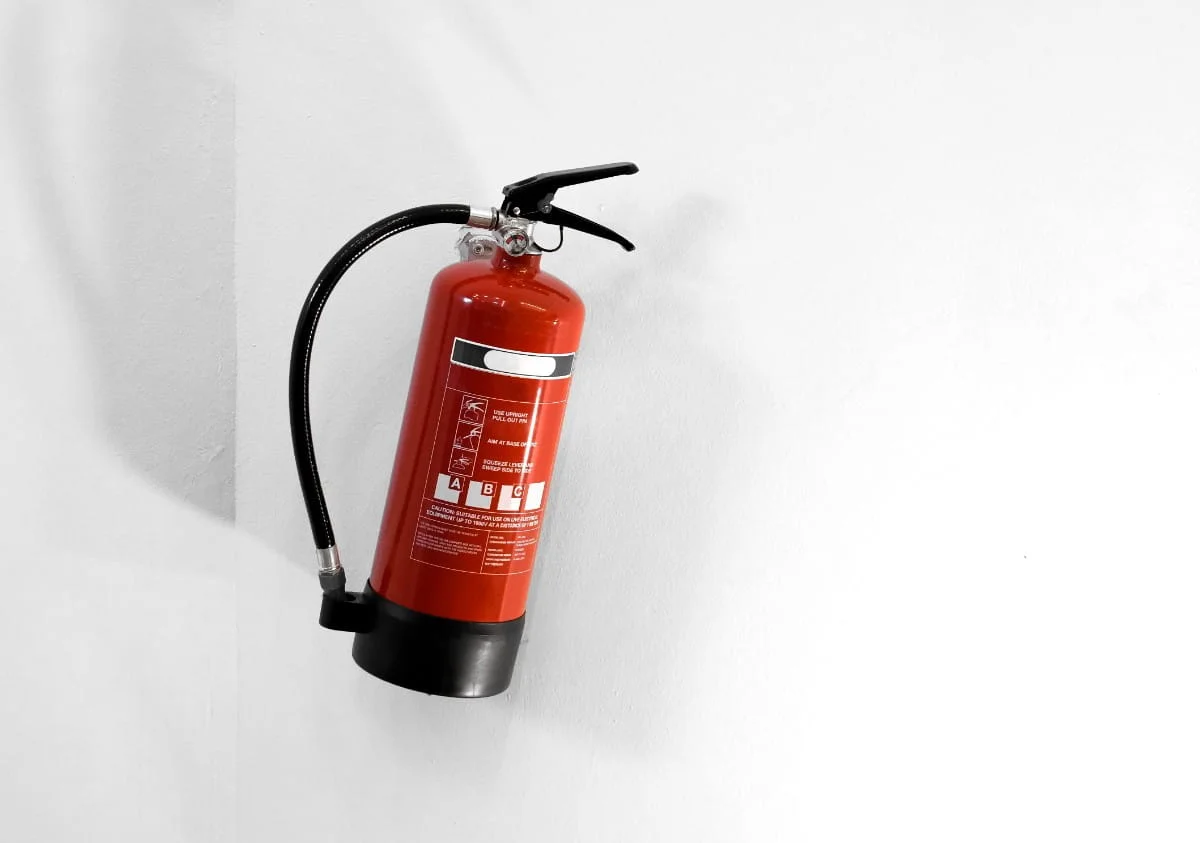
- Step 2: Grab the right extinguisher. You need a Class C for energized electrical equipment; many home extinguishers are ABC-rated. Spray it at the bottom of the fire.
- Step 3: Never use water. Never dump a bucket of water on a sparking outlet. Water is perfect for conducting electricity. The current will travel through the water stream and shock you instantly.
- Step 4: Get out. If the fire is growing quickly, drop the extinguisher. Evacuate your family. Call 911 from the front lawn.
Which is the Most Important Rule of Electric Safety?
Always turn off the power at the breaker panel before touching anything; this is a must. Do not rely on the labels on the panel box. The last guy might have labeled it wrong. Get yourself a cheap, non-contact voltage tester at the hardware store.
Hold the pen at the wire. If it beeps and flashes red, it shocks you. If it stays quiet, you can work. Keep water away from your tools, and never overload the power strips under the TV! Keep it simple and play it safe.
Room-by-Room Electrical Risks in Your Home
Different rooms have different electrical risks. Knowing where problems usually happen can help you prevent shocks, fires, and overloaded circuits.
Kitchen
The kitchen uses many high-power appliances, including microwaves, refrigerators, ovens, coffee makers, air fryers, and dishwashers. Avoid plugging too many appliances into the same outlet. Large appliances should have proper dedicated circuits when required.
Water is also a major risk in kitchens. Outlets near sinks and countertops should have GFCI protection to reduce shock risk.
Bathroom
Bathrooms are high-risk areas because electricity and water are close together. Hair dryers, electric razors, straighteners, and curling irons should never be used near standing water.
If a bathroom outlet does not have GFCI protection, ask a licensed electrician to inspect and upgrade it.
Garage
Garages often contain power tools, freezers, extension cords, battery chargers, and outdoor equipment. Do not overload garage outlets or leave damaged cords connected.
Use proper outdoor-rated or heavy-duty cords when needed, and never use damaged extension cords. CPSC warns that unsafe extension cords can create shock and fire hazards.
Laundry Room
Washers, dryers, and irons use a lot of power. Watch for warm outlets, burning smells, or flickering lights when these appliances run. A dryer should always be connected according to the manufacturer’s instructions and local electrical requirements.
Basement
Basements may have old wiring, moisture, sump pumps, and exposed electrical components. If you see hanging wires, open junction boxes, rusted panels, or damp outlets, call an electrician.
Outdoor Areas
Outdoor outlets should have weatherproof covers and GFCI protection. Do not use indoor extension cords outside. Rain, moisture, and damaged outdoor cords can increase the risk of shock or fire.
When to Call a Licensed Electrician
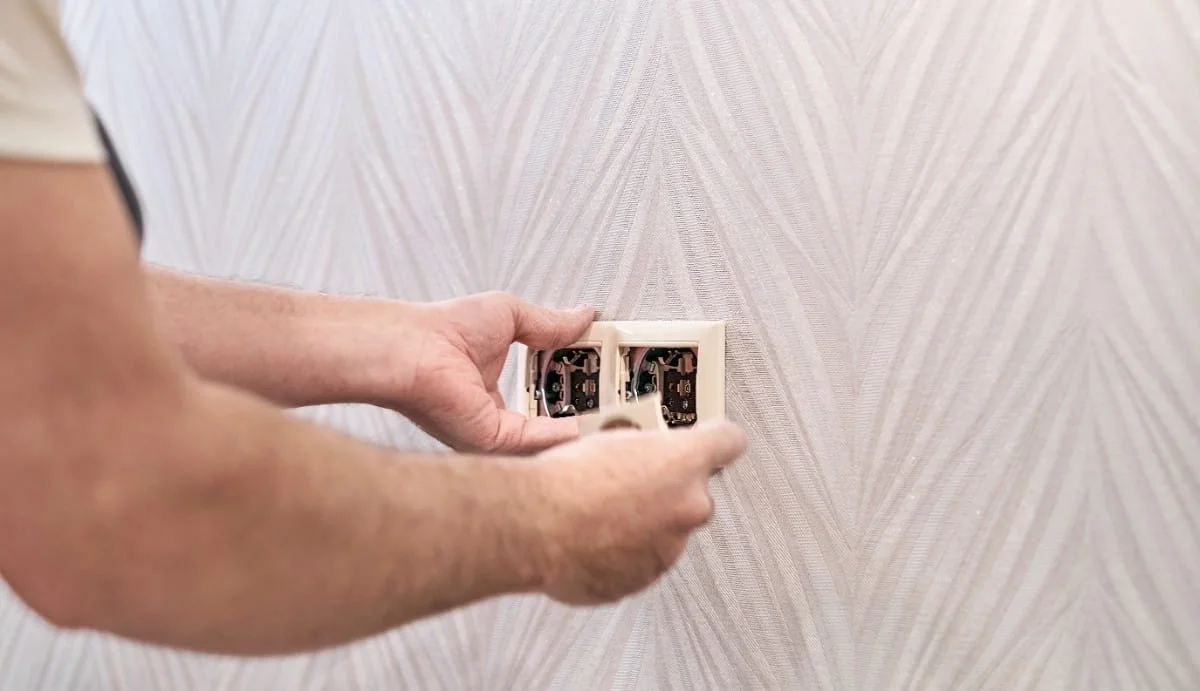
You can easily change a lightbulb or swap a faceplate. But be careful: not all jobs are safe for DIYers. When you should call a licensed electrician in the USA, do not mess with the main breaker panel. Do not try to rewire your whole kitchen.
If your home doesn’t meet the National Electrical Code, leave it to the pros!
Working with high voltage can literally stop your heart. So, hire a professional who has good insurance and an active license. This costs money, but it is definitely worth it.
Frequently Asked Questions (FAQs)
What is an electrical hazard?
An electrical hazard is any danger in which you could be shocked or ignited. Unprotected wires, circuits that have been overloaded, and outlets that are plugged in wet are all hazards and should be fixed immediately.
Is there a common injury caused by an electrical shock?
Most commonly, the electric shock hits your hand and burns the tissues. Serious shocks may also cause muscle spasms and heart conditions.
How do I know if a wire is live?
You should never touch it with your fingers. Use a non-contact voltage tester pen. Put the tip of the pen on the wire and listen for the loud beep.
Why does my breaker trip when I turn on the vacuum?
Vacuums draw an enormous amount of power when the motor starts. If you have the TV and lights running on that same line, it will overload. Plug the vacuum into a totally different room.
Last Words
Take care of your house. You have to pay attention to the little things; sizzling sounds and warm plugs are screaming for you to fix them.
Be proactive in using your home electrical safety tips. Fix the small stuff before it burns up. And lastly, stop worrying about what could be hiding in your walls. Call a pro. Schedule an electrical inspection today and get some peace of mind.