
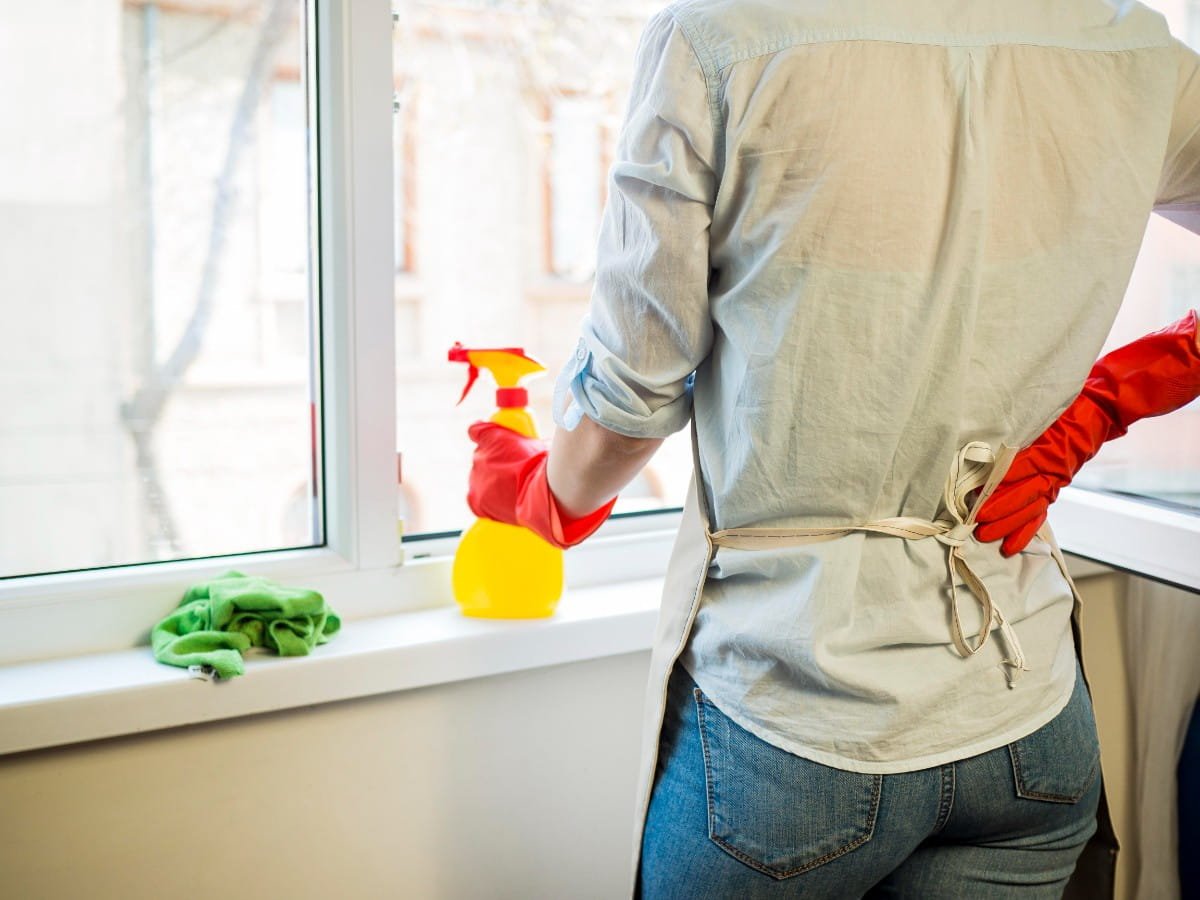
Routine cleaning keeps everyday dirt and clutter under control, but it does not always reach the dust, grease and buildup collecting behind appliances, under furniture, inside cabinets or along baseboards.
Deep cleaning tackles those less-visible areas. Although cleaning an entire house can feel overwhelming, the process becomes much easier when you divide the work into rooms, gather the right supplies and follow the same order in each space.
This room-by-room guide covers kitchens, bathrooms, bedrooms, living areas, laundry rooms and commonly missed spaces. It also includes surface-specific precautions, a cleaning schedule and practical plans for completing the work in one day or spreading it across a week.
Cleaning vs. Deep Cleaning: What Is the Difference?
Routine cleaning focuses on visible dirt and frequently used surfaces. It usually includes tasks such as wiping countertops, vacuuming floors, washing dishes, and cleaning bathroom fixtures.
Deep cleaning reaches areas that are cleaned less often, including baseboards, vents, appliance interiors, grout, upholstery and spaces behind furniture. These areas can collect dust, grease and residue over time, even when the room looks reasonably clean.
A room-by-room checklist helps you complete these less-frequent tasks in a practical order without overlooking important areas.

How Often Should You Deep-Clean Your House?
Most homes benefit from a thorough deep clean once or twice a year, but frequently used areas may need attention sooner. Kitchens and bathrooms often require monthly or quarterly detail cleaning, while tasks such as washing curtains, cleaning behind major appliances and inspecting dryer vents may be scheduled every six to twelve months. Homes with pets, children, allergies or heavy foot traffic may need a more frequent schedule.
Quick Whole-House Deep-Cleaning Checklist
Use this overview to plan the work before moving into the detailed room-by-room instructions.
- Declutter floors, counters and furniture.
- Gather supplies and read every product label.
- Dust ceilings, fans, vents and light fixtures.
- Wipe doors, frames, switches and handles.
- Clean windows, tracks, blinds and curtains as needed.
- Move lightweight furniture and clean underneath it.
- Clean appliance interiors and accessible areas behind them.
- Vacuum upholstery, mattresses and soft furnishings.
- Clean baseboards and lower wall marks.
- Vacuum all floors before mopping.
- Wash reusable cloths and empty the vacuum when finished.
- Return items only after surfaces are completely dry.
Before You Get Started: 3 Rules That Make Everything Easier
Without a system, most people clean the same areas of their house, then clean them again, or skip entire sections. Don’t do that. Keep this general deep cleaning checklist in mind:
- Rule 1: Declutter first.
No, literally, you cannot deep clean around big piles of stuff. Get every surface cleared, get stuff off the floor and deal with anything that is not in this room. Then clean.
- Rule 2: Work top to bottom.
Dust the ceiling fan, not the floors first. If you wipe down the tables and then dust the ceiling, you just ruined your clean tables.
- Rule 3: Dry before wet.
Do your dusting and vacuuming before spraying anything. Mixing dry dust with liquid cleaners just makes nasty, muddy streaks. Not helpful.
Safety Notice: Read Before You Begin
Cleaning products can damage surfaces or cause harmful exposure when used incorrectly. Read the product label and the care instructions for the appliance or surface before beginning.
Never mix bleach, disinfectants or other household cleaning products unless their labels explicitly state that they may be combined. Use only the recommended amount, provide adequate ventilation and keep children and pets away from the work area until treated surfaces are rinsed or dry, as directed.
Wear gloves and any additional protective equipment specified on the product label. Test each cleaner on a small, inconspicuous area before treating the entire surface.
Do not use vinegar, lemon juice or other acidic cleaners on marble, limestone, travertine or other acid-sensitive natural stone. When you are unsure of the material, use a cleaner approved by the surface manufacturer.
Use a stable step stool on a dry, level floor when cleaning high surfaces. Do not stand on chairs, countertops, tubs or unstable furniture.
Stop and seek qualified assistance when a task involves suspected asbestos, lead dust, extensive mold, sewage, unidentified chemicals, damaged electrical components, heavy pest contamination or work that cannot be completed safely.
What You’ll Need: Supplies Checklist
You don’t need a closet full of fancy products. A small collection of suitable tools and surface-safe cleaners is usually enough to complete most deep-cleaning tasks.
Tools: Keep several microfiber cloths nearby because you will need a clean one for different rooms and surfaces. You may also need an extendable duster, a small soft-bristled brush for tight spaces, a scrub brush, a vacuum with attachments and a mop suitable for your flooring.
Choosing the Right Cleaning Products
No single cleaner is suitable for every room or surface. Before using a product, read its label and check the care instructions for the material or appliance you are cleaning.
A practical cleaning kit may include:
- A mild all-purpose cleaner that is suitable for the surfaces in your home
- Glass or window cleaner
- A kitchen degreaser
- Toilet-bowl cleaner
- A floor cleaner approved for your flooring material
- Manufacturer-approved appliance cleaners
- A pH-neutral stone cleaner if your home contains natural stone
- A disinfectant for situations in which disinfection is necessary
White vinegar and baking soda may be useful for some individual cleaning tasks, but they are not universal cleaning products. Check that they are safe for the surface, finish, grout, sealant or appliance before using them.
Do not use vinegar, lemon juice or another acidic cleaner on marble, limestone, travertine or similar natural-stone surfaces. Baking soda is mildly abrasive and may scratch delicate or glossy finishes.
Never mix bleach, disinfectants or other household cleaning products unless their labels explicitly state that they may be combined. In particular, never combine bleach with vinegar, ammonia or acidic cleaners. When using any cleaning product, follow the label instructions, provide ventilation and test the product on a small, hidden area first.
Surface-Safe Cleaning Guide
Always confirm the material before applying a cleaner. When the surface is unknown, consult the manufacturer or installer and test the product in a small, inconspicuous area.
| Surface | Safer starting method | What to avoid or check |
| Natural stone | Soft cloth and a stone-safe, pH-neutral cleaner | Avoid vinegar, lemon and other acidic cleaners |
| Laminate | Damp microfiber cloth with mild dish soap | Avoid flooding seams or using abrasive scrubbers |
| Sealed wood | Slightly damp cloth and a cleaner approved for the finish | Avoid excess water and prolonged moisture |
| Stainless steel | Soft cloth wiped with the grain | Check before using abrasives, chlorine products or steel wool |
| Ceramic or porcelain tile | Mild detergent and a nonabrasive brush | Confirm that nearby grout and sealant tolerate the product |
| Painted walls | Damp microfiber cloth with a small amount of mild detergent | Test first because flat paint may mark or lose color |
| Upholstery | Vacuum first and follow the fabric care code | Do not saturate fabric or apply an unapproved spot cleaner |
| Electronic screens | Manufacturer-approved screen cloth or dry microfiber cloth | Do not spray liquid directly onto the screen |
How to Deep Clean a House: Tasks for Every Room
Before moving into individual rooms, complete the tasks that apply throughout the house.
- Remove cobwebs and dust from ceiling corners.
- Dust ceiling fans and light fixtures.
- Vacuum accessible vent covers without reaching inside the ductwork.
- Wipe light switches, doorknobs and handles with a cleaner suitable for the surface.
- Dust doors, frames, shelves and baseboards.
- Clean windows, tracks and blinds as needed.
- Vacuum underneath lightweight furniture that can be moved safely.
- Vacuum floors before mopping or using a wet cleaning method.
Always work from top to bottom. Dust and loose debris will fall as you clean, so save the floors until the end.

Deep-Cleaning Effort and Starting Point by Room
| Area | Effort level | Best starting task | Commonly missed spot |
| Kitchen | High | Empty the refrigerator | Range-hood filter |
| Bathroom | High | Apply cleaner and allow the required contact time | Exhaust-fan cover |
| Bedroom | Medium | Strip the bed | Mattress seams and edges |
| Living room | Medium | Remove sofa cushions | Under and behind furniture |
| Laundry room | Medium | Clean the lint filter and inspect the vent | Behind the machines |
| Entryway | Low to medium | Remove shoes, mats and loose items | Door frame and wall marks |
| Home office | Low to medium | Sort papers and unplug equipment | Cables and chair wheels |
Kitchen Deep-Cleaning Checklist
The kitchen usually requires more time than other rooms because it contains grease, food residue, appliances and several different surface materials. Work through one area at a time instead of trying to clean everything at once.
Refrigerator and Freezer
Remove food and place perishable items in a cooler while you clean. Discard expired or spoiled products.
Take out removable shelves and drawers, and wash them according to the manufacturer’s instructions. Allow glass shelves to reach room temperature before placing them in warm water because sudden temperature changes may cause them to crack.
Wipe the interior walls with a soft cloth and a mild cleaner that is suitable for the appliance. Dry the shelves and drawers completely before replacing them.
Clean behind or underneath the refrigerator only when it can be moved safely. Before cleaning refrigerator coils, unplug the appliance and follow the instructions in its manual. Some refrigerators have enclosed coils that should not be accessed by the homeowner.
Oven and Stovetop
Allow the oven and stovetop to cool completely before cleaning.
Follow the appliance manufacturer’s instructions for removing racks, burner caps or grates. Use the self-cleaning function only when the manual recommends it, and provide ventilation as directed.
For manual cleaning, use a product approved for the oven’s interior coating. Avoid metal tools or abrasive scrubbers that could damage the surface.
Clean burner grates and removable parts according to their care instructions. Apply a compatible degreaser to the range-hood exterior, and clean or replace the filter according to the manufacturer’s directions.
Microwave
Place a microwave-safe bowl containing water inside the microwave and heat it until steam forms. Let the door remain closed for a few minutes so the steam can soften dried food residue.
Carefully remove the bowl because it may be hot. Wipe the interior with a soft cloth and a cleaner approved for the appliance.
Remove and wash the turntable separately when the manufacturer allows it. Do not spray cleaner directly into vents or electrical openings.
Dishwasher and Cabinets
Remove and clean the dishwasher filter according to the appliance manual. Wipe food residue from the door edges, seals and accessible areas.
Use the dishwasher’s cleaning cycle and a manufacturer-approved dishwasher cleaner when recommended. Do not automatically add vinegar, bleach or another homemade mixture because cleaning instructions vary by model.
Wipe cabinet doors, handles and drawer fronts with a cleaner suitable for their finish. Use as little moisture as possible on wood, laminate and painted cabinets, especially around seams and edges.
Pantry, Cabinet Interiors and Drawers
Work through one shelf, cabinet or drawer at a time. Remove the contents, discard expired food and vacuum loose crumbs before wiping the interior with a cleaner suitable for the surface.
Allow shelves and drawers to dry completely before returning food, dishes or utensils.
Counters and Sink
Remove small appliances and loose items before cleaning the countertops.
Use a cleaner approved for the countertop material. Natural stone, laminate, sealed wood, quartz and stainless steel may require different products and methods.
Clean the sink according to its material. Avoid abrasive powders or scrubbers on surfaces that scratch easily.
Cleaning removes dirt and residue. When disinfection is necessary, use an appropriate disinfectant and follow its label, including the required contact time. Do not assume that vinegar or another homemade solution will disinfect a surface.
If you notice dripping while cleaning, follow our guide to fix a leaky kitchen faucet.
Bathroom Deep-Cleaning Checklist
Bathrooms collect soap residue, mineral deposits and moisture. Apply compatible cleaners first, allow them to work for the time stated on the label and then begin scrubbing.
Shower and Tub
Identify the shower, tub and tile materials before choosing a product.
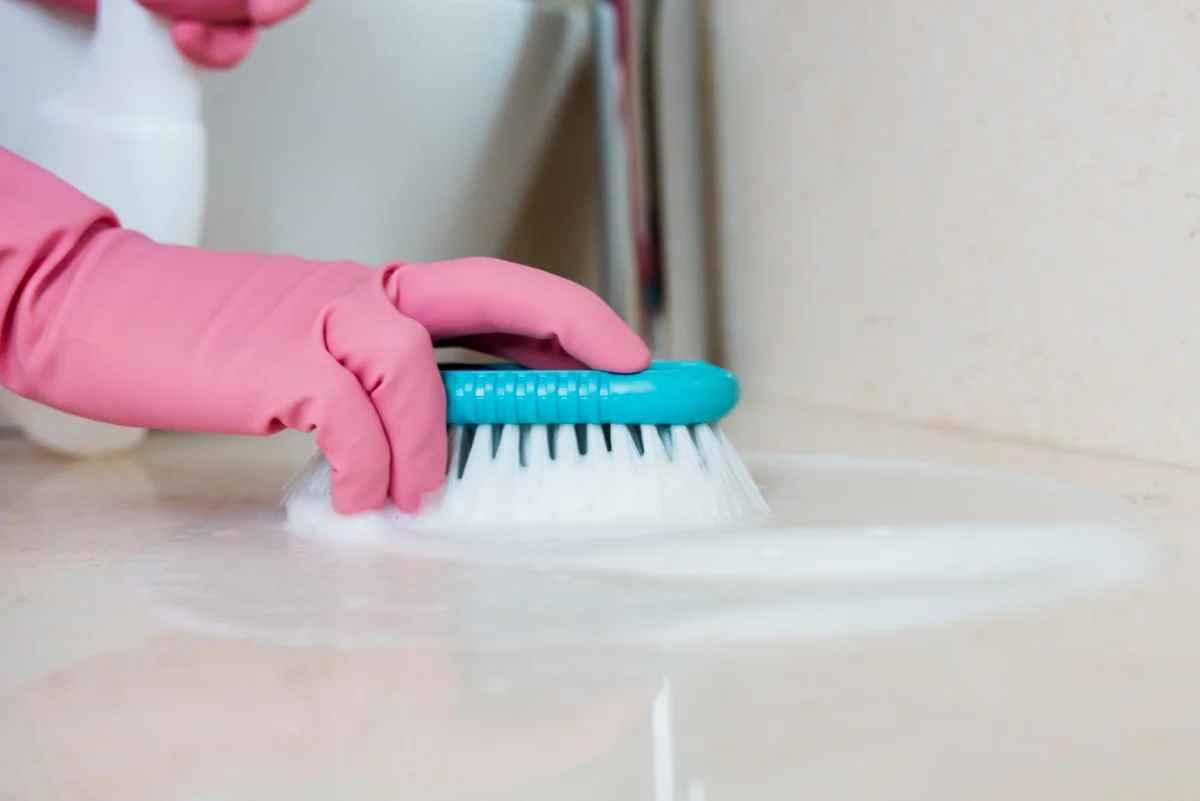
For ceramic or porcelain tile, use a compatible bathroom cleaner and a nonabrasive brush. Apply the product according to the label, let it remain for the recommended time and then scrub and rinse.
Do not use vinegar, lemon juice or another acidic cleaner on marble, limestone, travertine or other acid-sensitive natural stone.
Check product compatibility before cleaning colored grout, sealant, acrylic, fiberglass or metal fixtures. Strong acids, abrasives and rough scrubbers may damage these materials.
If grout is loose, sealant is damaged or mold repeatedly returns, the area may need repair or professional assessment rather than stronger cleaning chemicals.
If the showerhead continues dripping after cleaning, learn how to fix a leaking shower head.
Shower Curtain and Liner
Check the care label before washing a fabric shower curtain. Use the recommended machine setting or wash it by hand when required.
Clean a reusable plastic liner according to its care instructions. Replace the liner when it is torn, permanently stained or cannot be cleaned properly.
Allow the curtain and liner to dry fully after cleaning to reduce moisture buildup.
Toilet
Apply toilet-bowl cleaner according to the product label and allow it to remain for the recommended time.
While the cleaner is working, wipe the tank, handle, seat, lid and exterior of the bowl with a suitable cleaner. Clean the floor around the toilet base.
Use a toilet brush to scrub inside the bowl, then flush. Use separate cloths for the toilet and other bathroom surfaces to avoid spreading contamination.
Never mix toilet-bowl cleaner with bleach, disinfectants or another cleaning product.
If the toilet continues running after it is flushed, see our guide to fix a running toilet.
Sink and Exhaust Fan
Clean the sink and faucet with products that are suitable for their materials. Use a soft brush around the drain and faucet base when needed.
Turn off the exhaust fan before cleaning it. Vacuum loose dust from the accessible cover or remove and wash the cover when the manufacturer’s instructions allow it.
Do not reach into the fan housing or touch wiring. If the fan is damaged, unusually noisy or not removing moisture effectively, have it inspected.
Mirrors, Storage and Floors
Apply glass cleaner to a cloth rather than spraying it near painted walls, wood cabinets or electrical fixtures. Wipe the mirror from top to bottom.
Remove expired or unused products from bathroom cabinets and drawers. Wipe the interiors with a cleaner suitable for the material and allow them to dry before replacing items.
Vacuum or sweep the floor before mopping with a product approved for the flooring material.
Bedroom Deep-Cleaning Checklist
A deep-cleaned bedroom can reduce visible dust and make the room feel calmer and more comfortable.
Bed and Mattress
Remove sheets, pillowcases, the mattress protector, duvet covers, and washable decorative covers. Wash each item according to its care label.
Vacuum the mattress surface, seams, and edges with an upholstery attachment. Pay attention to the areas around labels, handles, and piping where dust may collect.
Rotate or flip the mattress only when the manufacturer recommends it. Many modern mattresses are designed for one-sided use and should not be flipped.
Allow the mattress to air before replacing clean bedding. Make sure it is completely dry if you have used any approved spot-cleaning method.
Under the Bed
Remove stored items before vacuuming. Dust the bed frame and vacuum the floor, corners, and baseboards.
Sort stored belongings before returning them. Keep only items that need to remain in the room, and use closed containers when possible to reduce dust buildup.
Do not attempt to lift or move a heavy bed frame without assistance.
Closet
Remove enough clothing, shoes, and boxes to reach the shelves and floor safely. You may not need to empty the entire closet at once.
Dust shelves, wipe suitable surfaces, and vacuum or mop the floor.
Before replacing your belongings, separate them into items to keep, donate, repair or discard. Avoid packing items so tightly that air cannot circulate or shelves become overloaded.
Surfaces and Furniture
Dust nightstands, dressers, shelves, and headboards with a clean microfiber cloth. Use a slightly damp cloth only when it is suitable for the furniture finish.
A clean lint roller or vacuum attachment may help remove dust from some fabric lampshades. Check the shade material before cleaning it.
Clean mirrors and windows with an appropriate glass cleaner. Spray the product onto the cloth rather than directly onto nearby wood or painted surfaces.
Bedroom Floors
Vacuum the entire floor, including the edges, corners, and areas beneath furniture that can be moved safely. Use the crevice attachment along baseboards and around bed frames.
Mop hard flooring with a product suitable for the material. Allow the floor to dry before returning rugs or furniture.

Living Room Deep-Cleaning Checklist
The living room may not collect kitchen grease or bathroom moisture, but upholstery, rugs, electronics, and decorative items can hold a surprising amount of dust.
Upholstery and Soft Furnishings
Remove sofa and chair cushions when they are designed to be removable. Vacuum underneath them using the crevice attachment.
Check the furniture care label or fabric-cleaning code before applying water or upholstery cleaner. Do not saturate the fabric.
Wash removable cushion covers, throws and blankets according to their care labels. Do not place covers in a washing machine unless the label confirms that machine washing is safe.
Furniture and Decorations
Remove books and decorative items from shelves in small groups. Dust the empty shelf before wiping each item and returning it.
Clean coffee tables, end tables, and other furniture with a product approved for the material and finish. Use limited moisture on wood furniture.
Dust picture frames and wall decorations carefully. Secure heavy or fragile items before cleaning around them.
Electronics
Turn electronics off before cleaning them. Unplug equipment when practical and when the manufacturer recommends it.
Use a dry microfiber cloth or an approved screen-cleaning cloth on televisions and monitors. Do not spray liquid directly onto a screen, control panel, outlet or electrical opening.
Wipe remote controls with a cloth that is only lightly dampened with an appropriate product. Avoid allowing moisture to enter between the buttons.
Vacuum around cords and power strips without pulling or damaging them. Do not clean damaged cords or electrical equipment; replace them or seek professional assistance.
Floors and Rugs
Vacuum area rugs slowly, following the rug manufacturer’s care guidance.
Turn a rug over only when it is lightweight enough to move safely, and the material allows it. Large, delicate, or heavy rugs may require professional cleaning.
Vacuum hard floors before mopping. Use a floor cleaner and an amount of water that is appropriate for the flooring material.
Laundry Room and Entryway
These high-traffic areas are easy to overlook, but they can collect detergent residue, lint, dirt, and moisture.
Laundry Room
Clean the washing machine according to its manual. Use its designated cleaning cycle and a manufacturer-approved washing-machine cleaner when recommended.
Remove and clean accessible detergent drawers, dispensers, filters, and door seals according to the appliance instructions. Do not automatically add vinegar, baking soda, or bleach because product compatibility varies by machine.
Wipe the dryer drum only with a method approved by the manufacturer. Clean the lint filter before or after every load.
Inspect the visible dryer vent and outdoor exhaust opening for restricted airflow or lint buildup. Arrange professional cleaning when the duct is inaccessible, unusually long, or heavily blocked.
Do not pull the dryer away from the wall unless it can be moved safely and without damaging the gas line, electrical connection, or vent hose.
Wipe shelves, cabinets, and detergent containers. Clean spills promptly because detergent residue can make floors and surfaces slippery.
Entryway
Remove shoes, mats, bags, and other loose items before cleaning.
Vacuum or wash entrance mats according to their care labels. Clean the shoe rack and wipe the inside of the front door with a product suitable for its finish.
Dust the door frame, handle, light switches, and nearby baseboards.
For wall scuff marks, begin with a soft, damp cloth and mild detergent. If using a melamine cleaning sponge, test it in a hidden area first because it may dull paint or remove some finishes.
Commonly Missed Areas
Dining room
Dust the light fixture, chair backs, and table legs. Vacuum upholstered chairs and clean underneath the table. Check the care instructions before applying polish or cleaner to wood furniture.
Home office
Declutter papers, dust the shelving, and vacuum the desk chair. Turn equipment off before cleaning it, and never spray liquid directly onto computers, monitors, keyboards, or power strips.
Windows, tracks, and screens
Vacuum loose dirt from tracks before wiping them. Clean the glass with a product appropriate for the window material, and wash removable screens outdoors when possible.
Blinds and curtains
Dust blinds from top to bottom. Vacuum curtains with an upholstery attachment or wash them according to the care label.
Walls, doors, and trim
Dust first, then spot-clean fingerprints and scuff marks. Test painted walls in an inconspicuous area before using a sponge, stain remover or melamine cleaning pad.
Pantry and small appliances
Remove expired food, vacuum crumbs, and wipe shelves before replacing items. Empty a nd clean toasters, coffee makers, and other small appliances according to their manufacturer’s instructions.
HVAC and pet areas
Replace or clean HVAC filters according to the equipment manufacturer’s schedule. Wash pet bedding, clean feeding areas, and vacuum hair from corners and upholstery.
Garage, basement, and utility spaces
Remove loose debris, organize chemicals, and inspect the area for moisture, pests, or damaged containers. Do not disturb suspected asbestos-containing material, lead dust, hazardous chemicals, or unidentified pest waste.
Deep-Cleaning Schedule by Frequency
Monthly
- Clean frequently touched handles, switches, and doors.
- Detail-clean the shower, tub, and bathroom fixtures.
- Clean the microwave and refrigerator spills.
- Vacuum upholstery and mattress surfaces as needed.
- Wash pet bedding and clean feeding areas.
- Check the dryer lint filter and visible vent opening.
Every Three Months
- Clean baseboards, vents, and fan blades.
- Clean underneath beds and movable furniture.
- Wash or vacuum curtains and blinds as appropriate.
- Clean cabinet fronts and the range-hood exterior.
- Inspect grout, sealant and moisture-prone areas.
- Clean dishwasher and washing-machine components according to their manuals.
Every Six Months
- Clean behind and underneath accessible appliances.
- Wash windows, tracks, and screens.
- Deep-clean upholstered furniture according to its care code.
- Sort closets, pantry shelves, and storage areas.
- Inspect the dryer exhaust route for restricted airflow or lint buildup.
Annually
- Clean or professionally service dryer ductwork when needed.
- Clean hard-to-reach fixtures and high shelving.
- Review smoke and carbon-monoxide alarm maintenance instructions.
- Inspect utility spaces for leaks, moisture or pest activity.
- Arrange professional cleaning or inspection for tasks that cannot be completed safely.
How to Divide the Work Over One Day or One Week
One-day plan
- Morning: Declutter, strip beds, start laundry, and clean the kitchen.
- Midday: Clean bathrooms and bedrooms.
- Afternoon: Clean the living room, office, entryway, and laundry room.
- Final stage: Vacuum and mop floors throughout the house.
One-week plan
- Monday: Declutter and gather supplies.
- Tuesday: Kitchen.
- Wednesday: Bathrooms.
- Thursday: Bedrooms and closets.
- Friday: Living room and home office.
- Saturday: Laundry room, entryway and commonly missed areas.
- Sunday: Floors, final inspection and unfinished tasks.
Final Safety Check
- Before cleaning, read every product label and confirm that the cleaner is compatible with the surface. Never mix household cleaning products. Provide adequate ventilation, wear the protection required by the label and keep children and pets away from treated areas.
- Do not spray liquids near outlets, switches, power strips or electrical equipment. Use a stable step stool rather than a chair, countertop or other unstable surface.
- Stop and seek qualified assistance when a task involves extensive mold, sewage, suspected asbestos or lead, damaged wiring, hazardous materials, heavy pest contamination or work that cannot be completed safely.
Frequently Asked Questions About Deep-Cleaning a House
How should I prepare my house for deep cleaning?
Begin by removing clutter from floors, countertops, and furniture. Return misplaced items to their correct rooms, gather your supplies, and read the product labels before applying any cleaner.
How long does it take to deep-clean an entire house?
The time depends on the size and condition of the home, the number of bathrooms, the number of people helping, and the tasks included. Cleaning appliance interiors, windows, closets, and upholstery will add more time.
For a more useful estimate, record how long each room takes when you test this checklist in your own home.
Which room is usually the most difficult to deep-clean?
The kitchen often requires the most effort because it contains grease, food residue, appliances, cabinets and several different surface materials. However, the most difficult room will depend on the condition of the home.
Which room should I clean first?
Begin with the room that requires the most effort or contains tasks with waiting time. Many people start with the kitchen or bathroom so approved cleaners can remain on surfaces for the label-specified contact time while other work is completed.
In every room, work from high surfaces to low surfaces and clean the floor last.
Should I clean or disinfect household surfaces?
Cleaning removes dust, dirt and residue and is sufficient for many everyday household surfaces. Disinfection may be appropriate during illness or when a surface has been contaminated. Always use an appropriate disinfectant and follow its label, including the required contact time.
Can I use vinegar throughout the house?
No. Vinegar may be suitable for some individual tasks, but it can damage acid-sensitive surfaces such as marble, limestone and travertine. Check the surface-care instructions before using it.
Final Thoughts
Deep cleaning becomes more manageable when you divide the work into rooms and follow the same process in each area: declutter, remove dry dust, clean high surfaces first and finish with the floor.
You do not need to complete every task in one day. Use the one-week plan when necessary, prioritize the rooms that need the most attention and schedule lower-priority jobs for another session.
Save or print this checklist for your next deep clean. Record how long each room takes and note which tools or methods worked best so that the next cleaning session is easier to plan.