You hit the handle. Nothing moves. Or even worse — the water moves up through to the top of the rim. That little jolt of panic? Completely normal.
Though here’s the thing. A toilet that will not flush is rarely an exceptional situation. Most of the time, it is something you can fix yourself by lunchtime nine times out of 10. No plumber. No $200 service call. A damn 5 minutes and perhaps a low-cost half from Home Depot.
So let’s find out what’s happening.
Two Quick Checks Before You Do Anything
Shut the water off first. You have a small oval valve behind your toilet, low on the wall or floor. Keep on turning it clockwise until you feel it jam. However, this will stop the flow of water from even reaching here, so you’re not trying to deal with a bowl running over when you’re in troubleshooting mode.
Then go check another faucet. I kid you not — just run the whole kitchen sink for five seconds. If water does not come out there either, your toilet is innocent. A city water shutoff or problem with a main line is that. Please contact your water utility first. Water works everywhere else? Good. Problems in the toilet. Let’s get into it.
Why Won’t My Toilet Flush? 5 Common Causes and Fixes
1) You are bunged up — yes, and that is almost always why
Honestly, start here. The first reason why a toilet doesn’t flush properly is a clogged toilet. Very often, it is easy to see
Way too many sheets of toilet paper at once. Stringent (and potentially gross) “flushable” wipes that — spoiler alert: don’t flush well at all. A child who threw something into the bowl. Compacting, clogging or clearing the trapway, which is that S-shaped curved pathway in the toilet bottom and all that waste must flow out from it.

How do I know if my toilet is clogged?
In other words, water goes upwards rather than down. Drains very slowly or not at all. The bowl makes these occasional low gurgling sounds.
How to fix it:
You need a flanged plunger. Not the flat cup plunger — those are for bathroom sinks, not toilets. A flanged plunger features an outer rubber flap that folds away from the inside of the cup and forms a seal in your toilet drain. Big difference.
A simple trick to do before you go: Put the rubber side of your plunger under hot water in your bathtub for about a minute. The heat and softens the hard rubber, giving you a much tighter seal over the hole in question allowing for way better suction.
Here’s the move:
- Once the plunger is lowered into the dish, you can put it over a hole in the drain
- Push down slowly at first — you are removing air, not forcing water
- Then pump it firmly. Push down, pull up, push down, pull up — good 10 to 15 strokes
- Yank it up sharp at the end to break the seal. (hand pull)
Try flushing. Is water draining normally? You’re done.
If not, do it again. If your toilet keeps clogging, it may take two or three treatments with a plunger or auger.
Still nothing after that? Buy a toilet auger (plumbing snake). Insert the cable end into the bowl and start cranking the handle. It gets beyond the reach of the plunger and actually breaks up whatever is stuck further down.
Skip the chemical drain cleaners. We both know Drano, Liquid-Plumr—don’t pour that in a toilet. They wear on rubber parts a lot and will soon chew through pipes if you use them every time. When in doubt, a plunger or auger is always the safer bet.
2) The left-hand chain broke loose or has excessive slack
Remove the tank lid and put it somewhere flat — a towel on the floor works well. Fun fact: those lids are heavier than they appear, and if you lay them down on something that shifts, it leads to their tail ends cracking!
Look inside the tank. A chain from the flush lever arm to a rubber flap way down. It’s the lift chain and the flapper.
So, when you push the handle, your arm pulls the chain up; that in turn lifts the flapper, and water flows into your bowl. Simple system. However, if the chain were to become unhooked on either end, engaging the handle does absolutely nothing.
How you’ll know:
Press the handle. It literally goes limp, like – there is nothing connected. Or — the handle pushes, but the commode will not flush whatsoever.

How to fix it:
If you unhook the chain, simply reattach it. Clip it back to the hook that holds the flapper and also to the lever arm.
Take a look if the toilet flush not working issue is happening because the chain is unhooked. When the flapper is closed, there should be approximately a half-inch of slack. Sure, some play, but no excess chain going around down there.
If the lever arm has too much slack, then it won’t fully lift the flapper. Relocate the clip to a higher link to shorten the chain some.
3) The Flapper Is Shot
Flapper – This is a rubber disc that sits on the bottom of the tank. It closes off the passage between the tank and the dish. With a flush, it raises to allow the water to flow. Then it falls off, letting the tank fill back up.
That rubber gets stiff, it warps or just wears down over time — we are talking a couple of years of constant use.
(Quick author warning: if you use those blue bleach in tank drop-in tablets, stop right now! They smell good, however those pungent chemicals will wreak havoc on rubber flappers in a matter of months.)
When it does not seal effectively, water slowly dribbles from the container into the bowl. The tank never gets completely full. Flush feels weak. Are just outside in the little air corridor, or the toilet will not completely flush.
Signs the flapper’s the problem:
It may sound like running or trickling water in the tank, even if it has not been used. Weak flush: Your toilet produces a weak flush or does not completely clear the bowl? You must hold down the handle for a complete flush.
How to fix it:
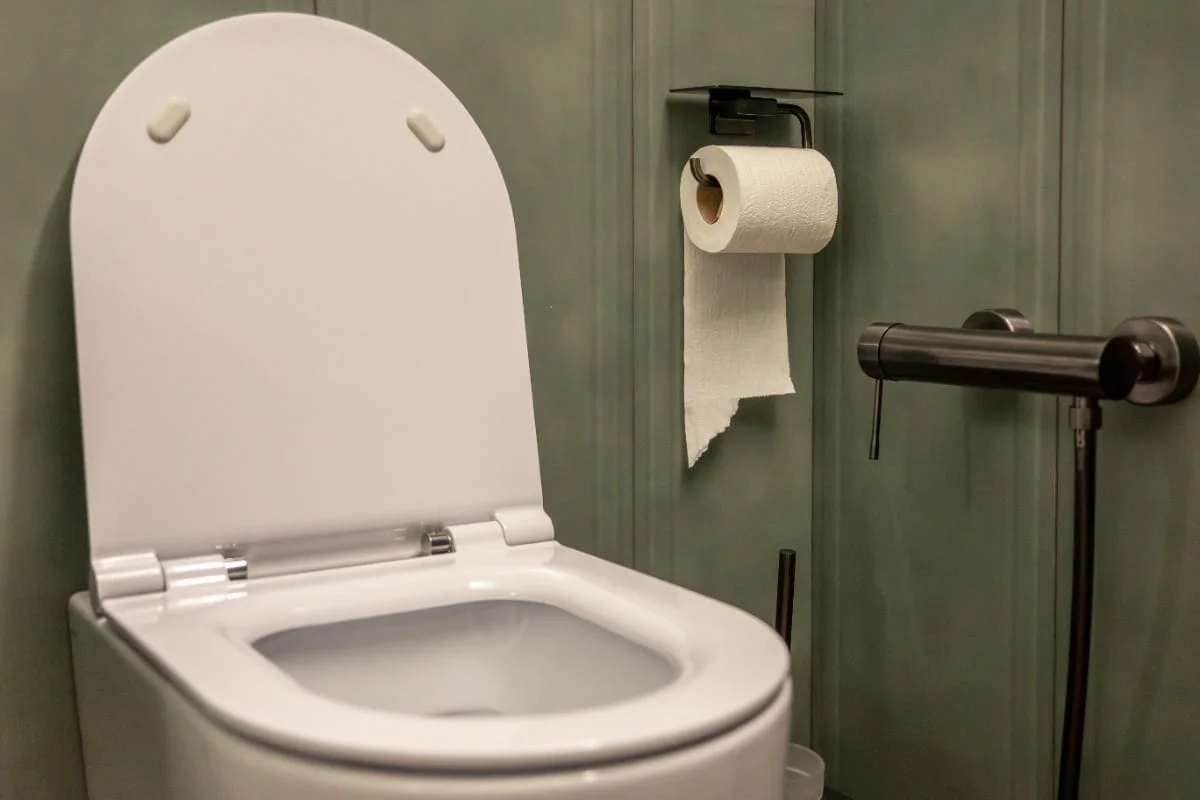
Shut off the valve for the water supply. Flush once to empty the tank. The flapper itself unclips at the base from two little pegs on each side of the flush valve — you just pull it off.
Take a picture of the old flapper before you go off to the hardware store. Available with 2-inch and, more commonly now, 3-inch, some toilets utilize brand-name specific parts. This trip back to the store is annoying as well, but getting it the wrong size.
Insert the carbon flapper towards the new clip. Turn the water back on. It also fills the tank completely, and you flush a few times to ensure the whole thing seals properly.
Flappers run about $5 to $10. This is legitimately the simplest fix on this entire list.
4) Not Enough Water in the Tank
How do you think a toilet flushes? The toilet works based on volume. Water rushes out of the tank, down to your toilet bowl and out through the trap with everything else. That’s because if the tank doesn’t fill to a large enough level, the flush isn’t powerful enough — you get what is known as a “weak” flush, or perhaps even a “soft,” “slow,” and incomplete flush.
So, this is the main reason why you might need to fix a slow flushing toilet when nothing is clogged.
If the water level in your tank is about an inch below the top of the overflow tube — that tall plastic tube standing in the middle of the tank. If the water is way lower than that, you have found the source of your problem.
Why does this happen?
The tank has a float in it (a ball on an arm, or a cylinder that moves up and down the fill valve). The fill valve uses the float to know when enough water is in the tank. If the float is too low, however, then the tank will turn off before there’s enough water to get a good flush.
How to fix it:
For an older toilet with a ball float: Look for metal or plastic arms connected to a ball. To slightly straighten out the arm, or clockwise turn on the small adjustment screw on the arm. This is the point where the float will turn off the water, allowing it to fill up higher in the tank.
Cylinder float (most modern toilets): Locate the screw or clip on the fill valve shaft. Move the clip upwards (or twist with a screw) to increase water.
Based on this, it is learned and flushed several times, then it is seen that the water level is not lower than the overflow tube. Adjusting might not help. In which case, your fill valve itself has worn out and now needs replacement ($12 at any hardware store).
5) Severed Rim Jets Or Siphon Jet
This one catches people with a curveball. You may have a great working flush mechanism for your toilet — and it still does not flush properly, with water that just sort of spins without removing anything from the bowl!
That’s often blocked rim jets.
Turn on a flashlight, and peer into the lip of your toilet bowl. Note those angled little holes aimed into the bowl? Those are rim jets. When you flush, water rushes through those holes to create the whirlpool effect that cleans the bowl.
That is also a big ol hole in the middle at bottom of the bowl — that’s the siphon jet. It is the pump that moves the waste down through the drain.
Over time, hard water deposits — calcium, limescale — accumulate in those small holes and soon begin to choke the water flow. The toilet “flushed” but no enamel was used.
This is also what your answer would be if someone asked you how to fix a toilet that won’t flush. In fact, more than half the time it is blocked rim jets.
How to fix it:
At this point, pour two or three cups of plain white vinegar directly into the overflow tube inside the tank — not in the bowl. Let it sit for a few hours. Overnight is even better. The vinegar runs all the way down through the rim jets and removes that mineral buildup.
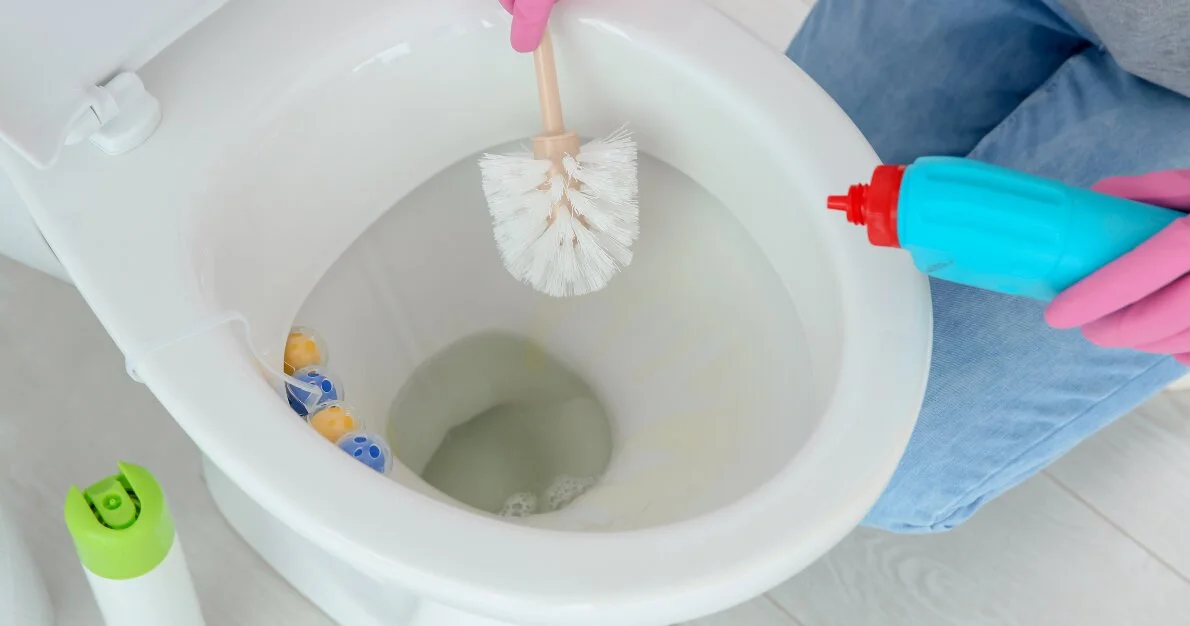
Next, scrub under the rim using a stiff toilet brush. For the individual jet holes, clean them with a straightened wire hanger or toothpick to pop out whatever is stuck up in there.
Flush a few times after. It should show you a much fuller, more powerful whirl. Doing this twice a year means you will never have to worry about this problem again.
How to Force a Toilet to Flush — Emergency Method
Handle broken? Tank not working? But the drain, which very well might also be clear? Well, here is a little secret nobody really knows about. The tank is not necessary for a toilet to flush. It is based on the volume of water & the force of gravitation.
Grab a bucket. Add in approximately a gallon of water. Pour it right in the bowl — pour slowly to begin with, then speed up, but dump the final bit quickly. This flood of water makes a force strong enough to flush itself.
This will not solve the core issue. Which at least works if you need the loo to be convenient now, as you work out how to fix it all.
How to Know When It’s Time to Call a Plumber
The majority of what makes this list is not very exciting stuff, but it can easily be done without making a phone call. There are some scenarios in which you should just stop trying to poke around and pick up the phone.
1) There are other slow or backed-up drains in the home. Note: If your toilet isn’t flushing AND if you are seeing strange drainage from your tub or sink, that’s a sewer line problem (not just a toilet issue! It could be a really trapped deep down the sewer line or tree roots entering inside the pipe, or it may well be something much worse. Not one of those is something that can be fixed with a plunger.
2) You’ve snaked and augered to no avail. After making a true try with each a plunger and a bathroom auger, which work effectively, there is something caught deeper down the road that you cannot attain. The jetting tools plumbers use clear stuff you can not.
3) There is pooling water around the bottom of the bathroom toilet. This indicates that the wax ring seal below the toilet has broken. It requires that you pick up the whole toilet off the floor. It’s an all right DIY, if you’re somewhat handy — but it gets a bit messy, and best to have a plumber take care of it if you’re not particularly comfortable.
4) The porcelain is cracked. No patch for that. How to fix the tank or bowl.
Simple Habits That Prevent Flushing Problems
A little prevention goes a long way here.
- Only flush toilet paper.
Not “flushable” wipes. Not paper towels. Not tissues. Only human waste and toilet paper. Avoid flushing things like kitty litter, hair, and ‘flushable’ wipes. These wipes do not break down like regular toilet paper, no matter what the packaging claims, and they are a major cause of plumbing clogs in homes.
- Scrub the rim jets biannually
Enter the overflow tube with the vinegar, let it soak and scrub under the rim. Set a reminder on your phone. Costs perhaps 10 minutes of your time, but avoids a weak rhythm toilet for years.
- Retrofit the flapper once every 4 to 5 years.
Don’t wait until it fails. A reactive swap costs 15 minutes and $7. Wait until it is downright shot, and you will be left with a running toilet, a water bill so high you will feel Bill Gates left that behind, and your toilet won’t flush right — sometimes all at the same time.
- Remove the tank lid once per year
Take a gander at all that’s there. Is the chain still connected? Flapper not cracked? Float moving freely? A 30-second glance allows you to address problems before they become real repairs.
Frequently Asked Questions
What to do if your toilet refuses to flush?
Before you do anything else, open the tank lid and peer into its abilities. How to check that the chain is still attached and the flap appears to be ok. If those check out, try a little plunging. These two steps take care of most flushing issues.
Why does one toilet not flush, but others do?
Then it is most often an issue that has to do with one toilet if there is only ever one — a local blockage of that each individual toilet trap, a broken chain or flapper. Toilets that are acting up simultaneously indicate a main sewer line issue and need a plumber.
Is it true that hard water can help my toilet flush slowly?
It really can. Over time, hard-water mineral deposits clog the rim jets underneath the bowl. The holes become more and more tiny over months, years; the flush becomes weaker with each passing year. We clear it right up with some regular vinegar soaks.
You have no reliable flush — what’s going on with the water rising?
The water level is rising with no drain clog. There is a blockage in the trap or drain line, with water having no place to go. Start with a plunger. Failing that, use a toilet auger. If that fails, you can also attempt to call a plumber.
How do I force my toilet to flush?
Very slowly pour a gallon of water into the bowl – accelerate when you have only a little left to spare. Pushing down due to volume and speed triggers a flush — No tank required. It’s not a solution—it’s the unqualified short-term fix.
Does the running toilet really increase my water bill that much?
To be honest, more than most people think. Even a very small leak from a flapper can waste several hundred gallons of water in a matter of weeks. If you have ever noticed that the toilet seems to fill up on its own from time to time — that soft hissing sound — that is cash flowing right down the drain. A new flapper costs less than $10 to replace.
Bottom Line
The case of a toilet that won’t flush is one of those emergencies that seem urgent but rarely require a complicated plumbing assessment. It can be bypassed in several cases without accomplishing all repairs listed later — mostly with a clogged drain, loose chain, worn-out flapper, insufficient tank water or blocked rim jets.
You begin with the basics — locate the toilet tank, use a plunger and tighten things that are loose. There’s a fair chance that within 15 minutes it will be working.
And if you run into problems — the block won’t budge, water’s coming up from more than one drain, or something’s leaking at the bottom — this is just what plumbers are for. Learning when to pick up the phone is just as useful as knowing how to fix it yourself.
Editorial Note: This article has been reviewed for accuracy and practical guidance by experienced plumbing professionals. The advice is intended to help homeowners identify common toilet flushing problems safely, but serious blockages, leaks, sewer line issues, or damaged parts should always be checked by a licensed plumber.