
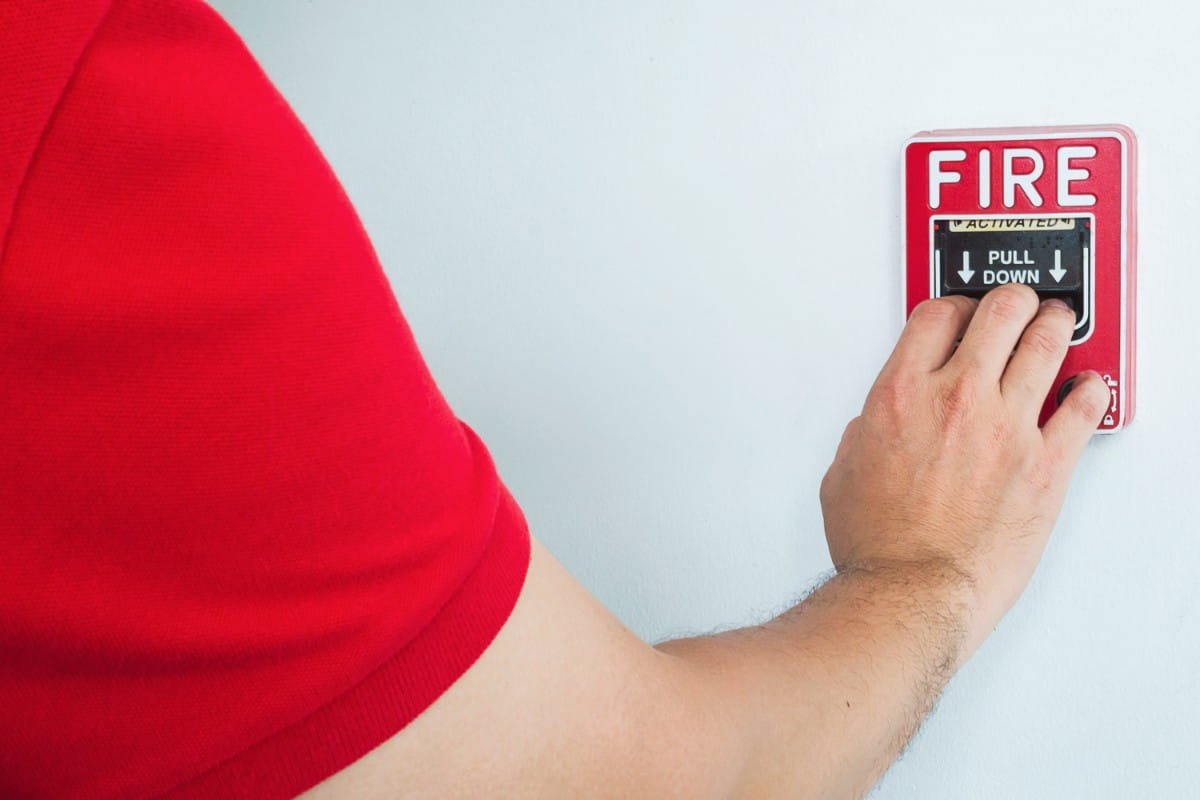
Imagine a night you are cooking dinner, and your toaster suddenly lit up. It was a loud pop, and now smoke pours from the ceiling. Burning plastic smells all over the kitchen. Panic sets in.
First move: Grab a cup of water from the sink.
Stop. Drop the cup, don’t do it.
If you want to know how to put out an electrical fire, the first rule is simple: never use water on an energized electrical fire. Water conducts electricity, which means it can carry the electrical current toward you and cause severe shock or electrocution.
Your phone should be off right now. Reach for a class C fire extinguisher. Or a heavy bag of baking soda.
Here, I gave you a complete blueprint. If you are panicking and wondering how to put an electrical fire out, knowing how to put an electrical fire out is not optional. It is a survival skill every homeowner should have.
Safety Disclaimer: This guide is for general educating about home safety. If you can do so safely with the appropriate fire extinguisher, and have an escape pathway available to get out immediately if things don’t go well then attempt to extinguish a small localized electrical flame only. If the fire is spreading, emits dense smoke, or originates from an outlet, wall, ceiling, or breaker panel:Get out of the house at once and call 911. Don’t ever become property to save your life.
Immediate Action: Your Step-by-Step Defence
Things are really heating up right now. You have flames. Do not stay in place. Do the right thing fast. Here’s what you do, step by step.
Step 1: Turn Off the Power If Safe
This is crucial, vital. You can’t do anything about a fire that’s just lit, because it keeps reviving itself. Is the flame isolated to the appliance? Can you reach the plug securely? If so, pull it out of the wall.
And if the outlet is on fire? Leave it alone. Keep your hands off it.
Sprint over to your breaker box. You should know where this is before you are ever faced with an emergency. It is often in the garage, basement, or hallway. Open the metal door. Look for the main switch at the top, the biggest switch in the box.
Now, flip the switch off. You will lose power to the entire house. The room will go dark. You just removed the fuel source.
Step 2: Use a Class C or ABC Fire Extinguisher
t might be dark, but the fire could still be burning the wood or plastic around it.
Your home has to have a fire extinguisher. But not just any red tank. You need a Class C or ABC extinguisher. Class C is used for electrical fires. The dry chemicals in this bottle do not conduct electricity and are safe to use around wires.
If you are looking for how to put out an electrical fire extinguisher, then you are likely to find articles about the P.A.S.S. method. It is a very easy method to remember.
- Pull the safety pin from the handle.
- Aim the nozzle straight at the base of the flame, not at the top.
- Press the trigger lever hard.
- Sweep the nozzle from side to side until the fire is completely gone.
Watch the spot for a few minutes and make sure it doesn’t flare again.

Step 3: Use Baking Soda Only for Tiny Fires
What if you do not have a fire extinguisher? If the electrical fire is very small and contained, such as a small appliance fire, you may use baking soda as a backup option. Baking soda can help smother small flames by cutting off the oxygen supply.
Do not add just a pinch and hope for the best. Use enough baking soda to cover the flames completely. Keep your body away from the fire, and make sure you have a clear escape route.
Remember, baking soda is only for small, contained, early-stage fires. Never try to fight a fire if the flames are spreading, smoke is filling the room, or the fire is coming from an outlet, wall, breaker panel, or ceiling. Leave the house immediately and call 911.
Never use water, flour, baking powder, wet towels, paper, or cloth that can melt or burn. Water conducts electricity and can increase the risk of shock or electrocution. Flour and other powders may also ignite or spread the fire.
What Never to Use on an Electrical Fire
Flour is flammable. It explodes in your face when you dust some on a fire. A small spark will turn into a huge fireball.
If you don’t have baking soda, take a heavy blanket. Throw a thick wool blanket over the burning appliance to kill the oxygen. Be sure it is thick. Don’t use nylon or polyester. They will melt and stick to the fire.

Read More: 10 Common Electrical Problems in Homes
The Golden Rule: What NEVER to Use
This is a matter of life or death. So, here is the question: “Is water bad for electrical fire?” Yes. The worst thing you could use.
Never search for how to put out an electrical fire with water; it is a good idea. Water conducts electricity.
If you throw a bucket of water on a sparking outlet, the electricity travels up the flow of water. It hits your hands. It hits your heart.
You will get electrocuted. It is a fatal mistake. And the dangers do not end there. As soon as water comes in contact with a hot electrical fire, it ejects everything and the current spreads to the floor. Your whole kitchen is in danger.
So, what should you never use to put out an electrical fire? Water, Flour, Wet towels, keep them all away.
When to Run: Knowing You Are Beaten
Remember, you are not a superhero. You are a homeowner. Sometimes the fire is too big to fight. So, how do you know when to quit? Use the five-second rule.
If the flames do not go out quickly, or if the fire starts spreading, stop trying to fight it. Leave the house immediately, close the door behind you if it is safe, and call 911 from outside. Stop wondering how you stop an electrical fire. Start running.
Immediately take the family outside. Don’t grab your phone charger, don’t look for your laptop. Just go!
Follow your family escape plan. Meet at your designated safe spot in the front yard or across the street.
As you step out of the burning room, pull the door shut behind you. This is a pro trick, as a closed door prevents fresh air from entering the fire, which slows down its spread.
Once you are safe outside, call 911.
Inform the dispatcher that a fire is in progress. In other words, say, “We have an electrical fire.” This tells the firefighters what to do next.
Remember, never go back inside, even if you think it’s small. The smoke alone can knock you to the floor in mere minutes.
Understanding the Threat Level
Why are electrical fires especially hazardous? Electrical fires act completely differently than a burning pile of leaves.
First of all, they spread at an unimaginably fast rate. We call it thermal runaway. The heat from one melting wire spreads to the next, and the temperature soars in mere seconds.
Second, the smoke is pure poison. When electrical wire insulation burns, it melts plastic and rubber. This produces noxious fumes and releases high levels of carbon monoxide and cyanide gas. Inhaling these gases will cause you to pass out before the flames get you.
Third, they are invisible. Oftentimes, these fires start deep inside your walls. You may smell something fishy. Or you might feel a warm sensation on your wall. The wood studs in your house are catching fire.
So far, it hasn’t penetrated through the drywall, and the fire is already an inferno.
The Root of the Problem: Finding the Cause
How do electrical fires start? What lights them up? Most of the time, it’s just people who make the mistake. Or it’s really old houses crying for help. So, let’s see what causes electrical fires so you can spot the warning signs today.

Old and Tired Wiring
You probably know this by now. But if you still live in a house built before 1990, you may have outdated wiring.
Back then, we only had a TV and a lamp. Now, we have huge refrigerators, gaming computers, air fryers, and smart home hubs all in one.
Old wiring cannot handle that heavy load. The wires heat up inside the walls, and the plastic coating reveals itself. Bare wires hit each other, ignite the wood.
The Extension Cord Trap
We’ve all done it. You have more plugs behind your TV. Then you plug a cheap power strip into another power strip. This is called Daisy-chaining.
Firefighters hate it.
Extension cords are meant for temporary use, like running a drill for ten minutes, not for powering your living room entertainment centre 24/7.
When you overcharge an inexpensive cord, the wires inside get hot, ripping through the plastic and setting your carpet on fire.
Space Heaters in Winter
Winter comes, and people get cold. Out come the space heaters. Space heaters are responsible for thousands of house fires in the US every year. People leave them running in their homes while they sleep.
The worst, they push them right up against a bed sheet or the living room curtain.
A space heater should have at least three feet of completely empty space surrounding it. It should always be plugged into the wall outlet. Never use an extension cord for a space heater.
The Appliance Graveyard
You know that old microwave you never throw away? It could be dangerous. Appliances don’t last forever. Motors wear out. Cords get pinched behind counters.
If there is a frayed cord on the appliance that has bare metal wire, cut it and throw it in the trash. Do not wrap the cord in electrical tape. It is not worth burning down your house to save a blender.
Rodent Infestations
I know that sounds gross, but it is real. Mice and rats love to chew things. They live in your attic and chew on your electrical wires to file their teeth down.
They strip the rubber insulation completely. The wires are living and naked and touch dry attic insulation. All it takes is one spark to make it go off.
How to Prevent Electrical Fires
The best way to handle a fire is never to let it start. Prevention is cheap, and rebuilding a house is expensive. So, take a Saturday afternoon. Walk through your house and do a safety audit.
Look at your major appliances. Your fridge, oven, and microwave draw a lot of power. Assure all the appliances have their own wall outlets. Never plug a heavy appliance into a power strip. Check around the outlets. Are they warm? Call an electrician. The wiring behind the wall is failing.
- The Living Room Audit
Check behind your TV. Are there tangled cords all over? Clean it up. Be careful not to bang your lampshade cords against the wall with your heavy furniture. Toading on rugs that keep the lamp cords in place could burn the copper wires as you walk over them.
- The Bedroom Audit
Where do you charge your phone at night? Never put your phone on the back of your bed or under your pillow. It is hot and needs to be placed on a hard, flat surface to dissipate the heat. If the end of your phone charger cable breaks off, throw it out and get a new one.
- Call the Professionals
Want to experience total peace of mind? Hire a licensed electrician in your area. Ask them to check your main breaker panel and check that your home is up to current safety codes.
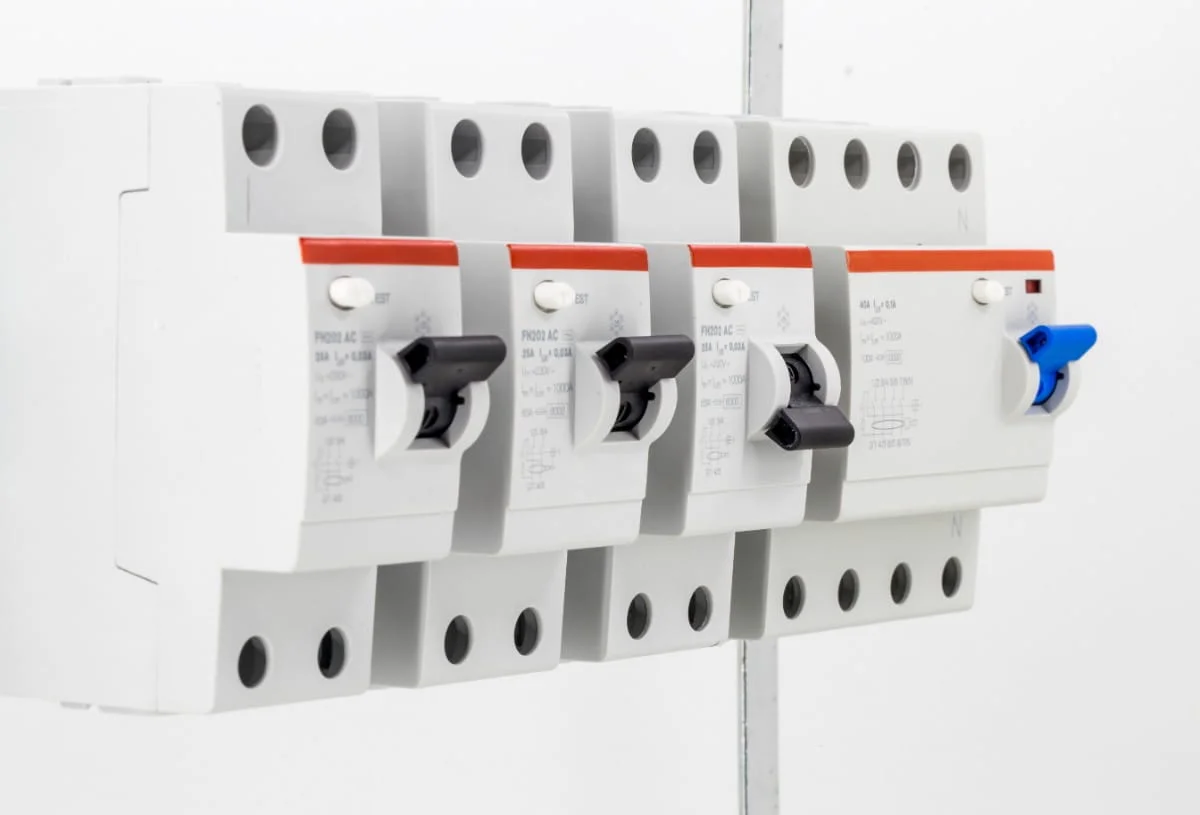
Ask about Arc Fault Circuit Interrupters (AFCI).
These are awesome circuit breakers. If they sense that a wire is sparking in your house, they will trip and cut the power before a fire can even begin. AFCIs are what your home needs. You’re saving your family’s life by installing them in your home.
What to Do After an Electrical Fire
Let’s say you acted quickly. You used the baking soda. The toaster fire is out.
What happens next? If you plug anything back in, then do not flip the main breaker on. The danger is still there.
You may have some severe damage to wires inside your wall, or the insulation may be completely melted. If you try to turn on the power, it will instantly restart behind the drywall.
You need an expert eye. Call a licensed electrician immediately.
Tell them you had a small electrical fire and put it out. They need to come to your house, open the wall, and replace the burnt wires. Only a professional can tell you when it’s safe to turn your house power back on.
Frequently Asked Questions (FAQ)
A lot of people are searching for this topic, and the panic is real. Here are the answers to all the most common questions people ask.
How to put out an electrical fire in a wall?
Do not pretend to be the hero. You cannot put out a fire hidden in your drywall. Run to your breaker box and shut off all the power. Then, immediately, leave the house and call 911. Let the fire department rip into the walls.
How to put out an electrical fire without baking soda?
If you have no extinguisher and your pantry is empty, just get a thick blanket of wool and place it over the burning object to smother the flames. If it isn’t synthetic, it will melt right into the fire.
What to use on an electrical fire at home?
A Class C or ABC fire extinguisher is your best defence. Every home should have one in the kitchen and one in the garage. Baking soda is your backup plan for tiny kitchen flare-ups.
What kills an electric fire?
The second thing is to disconnect the power supply and to cut off the oxygen. If you cut the power and put out the fire using a Class C chemical extinguisher, it dies immediately.
How do you put out an electric fire safely?
Never use water. Unplug the device if you can safely reach the cord. If not, turn the main breaker off to cut the power. Then use an ABC-rated fire extinguisher to put out the flames using the PASS method.
What is the first step to putting out an electric fire?
Always cut the power. It’s not a compromise. You can’t fight an energised fire. They keep stoking, then rekindling. Kill the power first, then fight the flames.
Final Thoughts to Keep You Safe
Electricity makes modern life amazing. But it commands respect. If you only remember three things from this guide, make it these.
- Power off immediately.
- There is no water.
- Grab the extinguisher or the baking soda.
If the flames get too big, drop your ego. Run. Your house can be rebuilt. Your life cannot be replaced. Be proactive and check that your home fire extinguishers are ABC-rated right now.
So, talk with the whole family tonight over dinner. Make sure everyone knows exactly where the breaker box is! Stay smart. Stay safe out there.