
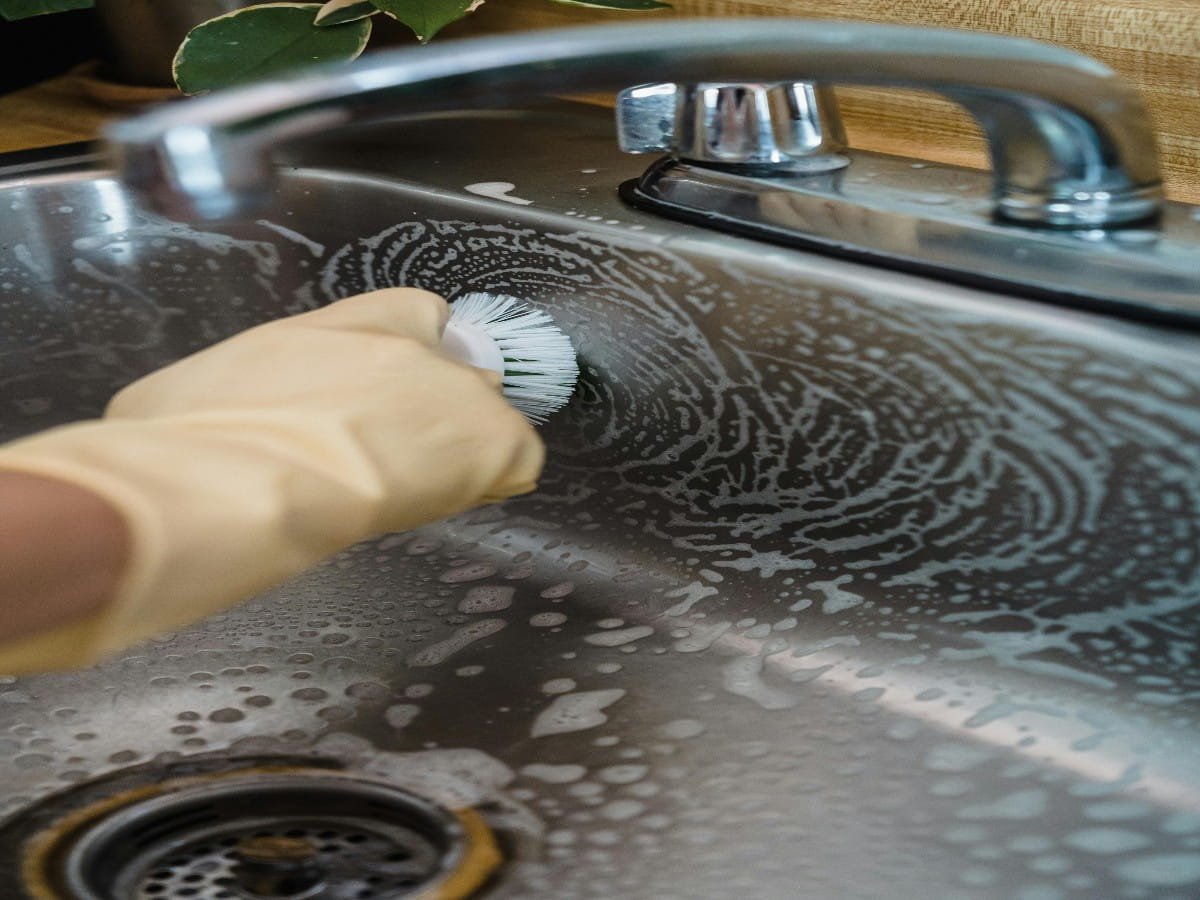
After dinner with the family, you just want to wash your dishes, and then… suddenly, the water just… sits there. Or worse, it is already stuffed to the brim and goes nowhere.
It is hard to ignore the obvious, but a clogged sink drain can quickly become a health risk if left unattended. The quick fix? Call a plumber. But honestly? You can fix most kitchen sink clogs yourself in under an hour. Also, no special skills are required.
In this guide, we’ll walk you through how to unclog a kitchen sink drain from the simplest, no-tool solutions to the toughest fixes. We’ll also explain garbage disposals, double sinks, and the P trap fix plumbers charge good money for.

Before You Start: Safety First and Assessing the Clog
Before you grab anything, take a moment to take a look around.
Is it slow draining or fully blocked? A slow-draining sink indicates that there is still a little buildup, i.e., grease, soap scum, food bits, that you can remove fairly easily. But a sink filled with standing water indicates more solid buildup. Both of these problems are fixable at home, but you’ll have to do so in different ways.
Just one thing to avoid: chemical drain cleaners like Drano or Liquid-Plumr. Yeah, they’re right under your sink. The problem is that if they don’t dissolve the clog, you’ll be left with a pipe full of caustic chemicals. It’s dangerous for you, and for any plumber who has to open those pipes. Chemical drain cleaners can also eat away at old pipe seals and gaskets over time.
You will probably be able to clear it without chemicals, anyway.
Natural Ways to Unclog a Sink (No Special Tools Needed)
This method will help you get rid of your clogs. You can use the stuff you likely already have on hand. Good start for most clogs.
Boiling Water for a Clogged Sink
This method sounds almost too simple. It works extremely well for grease and soap buildup, the leading cause of a slow kitchen drain.
What to do:
- Remove any standing water from the sink before pouring hot water into the drain. Scoop it out with a cup or an old container.
- Boil a full kettle or pot of water.
- Pour it in two or three equal portions, approximately 10 seconds apart, between each pass.
- Run the faucet and see if the water drains faster.
- Repeat once or twice if needed.

You can Read: Fixing Loose or Wobbly Cabinet Doors Without Replacing Hinges
Pro Tip: Before bringing water to a boil, add a good squirt of dish soap. The soap cuts through grease and allows the hot water to drain it more thoroughly.
Safety Warning: Never use boiling water if you have PVC pipes. The heat can soften the connections and damage seals. For those not sure which pipes are in your home, use the hottest water from the tap. And if you have a porcelain or composite sink, avoid boiling water.
Vinegar and Baking Soda to Unclog a Drain
This one is the classic. Most people know about this combination but get the steps kind of wrong. Here’s what really works.
What you need:
- 1 cup of baking soda
- 1 cup of white vinegar
- A drain stopper or a damp rag.
Steps to do:
- If there’s standing water, remove it first.
- Pour the full cup of baking soda into the drain. Make sure it doesn’t sit on top.
- Pour the vinegar just after.
- The next step is to cover the drain with your stopper or a rag. This is the part most people skip, but covering the drain forces the bubbling down into the pipe instead of letting it escape up into the sink.
- Let it sit for 15-30 minutes.
- Remove the cover and flush with hot (or boiling) water.
The fizzing reaction can help loosen light organic buildup, such as small food particles and greasy residue, so it can flush away more easily with hot water. It won’t work magic on a serious clog, but for a slow drain or mild backup, it will usually do the trick.
NOTE: A cleaning expert told me that baking soda and vinegar didn’t necessarily “clean” together; the reaction neutralized them both. The trick is mostly the gas pressure from the fizz, with each ingredient doing a little bit of work before they combine. You can’t expect this to clear a badly packed food clog on its own.
How to Unclog a Kitchen Sink With a Garbage Disposal
If you have a garbage disposal in your kitchen, it isn’t the drain pipe that’s the problem. First, turn on your disposal and listen. If it hums but doesn’t spin, something is jammed. If it’s completely silent, it may have reset itself.
Here’s how to fix it:
- Look for the reset button. This is a small red or black button on the bottom of the disposal unit (under the sink). Press it in firmly and try running the disposal again.
- Use the Allen wrench. Most disposals come with a small hex (Allen) key that fits into a socket on the center of the disposal. Insert it and rotate it back and forth to manually free the jammed flywheel.
- If you see something stuck (a bone, a bottle cap, silverware), use tongs or needle-nose pliers to remove it.
Safety Warning: Never, ever put your hand in a garbage disposal. Even when it’s off. Unplug the unit from the outlet (or flip the breaker) before you look in or use any kind of tool to remove anything. The disposal may suddenly come back on.
Once the disposal is running freely, run cold water and let it flush. If it still backs up after the disposal is working, you have a problem with the pipes. Keep reading.
Using Manual Tools to Clear Stubborn Clogs
If the natural methods failed, perhaps it’s time to get more hands-on.
Plunger for Sink Clogs
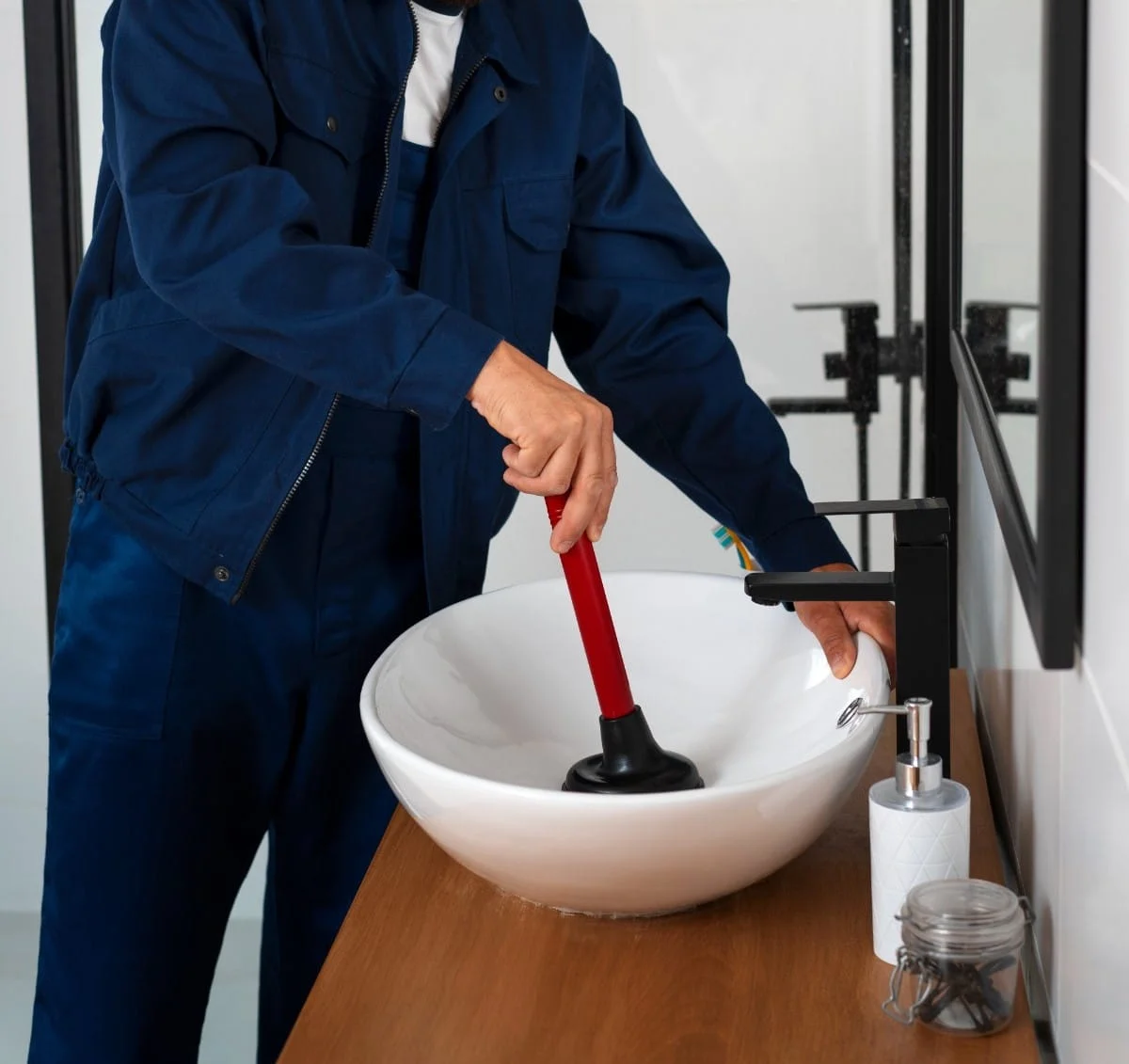
An effective tool for clearing a kitchen clog is a plunger, but there is a right way.
Get a sink plunger — the flat-bottomed, cup-style plunger. Don’t use your toilet plunger. That plunger has a flange specifically for the curving toilet bowl, and it will not seal properly on a flat sink drain. Hygiene reasons.
Steps that have to be followed:
- I’d suggest filling your sink with about 1 to 2 inches of hot water. You want water in there so the plunger can make the proper pressure.
- Place the plunger flat over the drain and press down to seal it up.
- Plunge straight up and down — hard, quick strokes — about 5 to 6 times.
- Pull the plunger off and check if water drains.
- Repeat 2 to 3 times if you feel it’s needed.
If water begins to drain, you’re good. Run hot water for one minute to flush all the debris through.
Don’t Miss: How to Choose Glossy White Adhesive Vinyl Kitchen Cabinets Like a Pro
How to Unclog a Kitchen Double Sink
Double sinks work a little differently because the two basins share the same drain line. The only difference is that if you plunge one drain without sealing the other, then all the air pressure just shoots out the second drain. There’s lots of splashing and nothing.
The fix is simple: Place a wet rag tightly into the drain of the side you are NOT plunging. (Or, use the stopper on that drain, if it has one.) Then plunge the clogged side normally. The closed side gets all the pressure it needs to go: into the blockage.
Using a Drain Snake (or Wire Hanger)
When a plunger can’t reach the blockage, a drain snake (also called an auger) will.
A drain snake is a long, flexible cable that has a coil or hooked end. It is fed down the drain and should be used to feel for resistance when the obstruction becomes blocked, then rotate and pull to loosen it up or drag it out.
Basic steps to be followed:
- Insert the snake into the drain and slowly feed it down.
- When you feel resistance, rotate the snake with light pressure.
- Either break the block up by moving the snake back and forth, or hook the debris and drag it out.
- Test the drain with running water.
A straightened wire coat hanger with a small hook bent at the end can help with shallow clogs near the drain opening. It will not reach very far, but it can hook and pull out food debris or small buildup close to the surface.
Pro Tips: When pulling the snake back out, slow down and twist gently. Hard pushing or pulling can scratch old pipes.
The Advanced DIY Fix: Cleaning the P-Trap
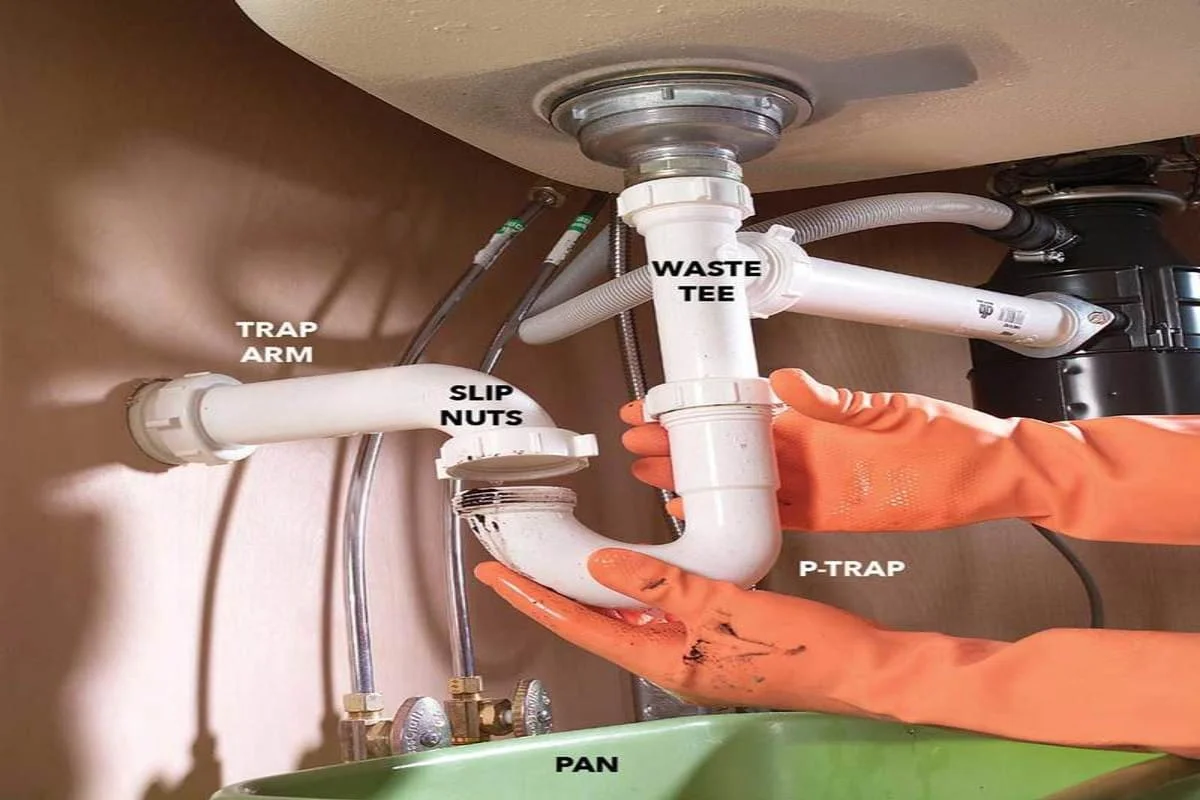
If you’ve tried everything above and the water still backs up, the problem may be in the P-trap (the U-shaped pipe below the sink).
It sounds complicated, it really isn’t.
What you’ll need:
- Rubber gloves
- A bucket
- An old towel
- Adjustable pliers or a pipe wrench (sometimes your hands are enough)
Step-by-step guide:
- Clear the cabinet under the sink so you have room to work.
- Place the bucket directly under the U-shaped pipe.
- Two slip nuts hold the P-trap in place at the two ends of the ring, unscrew them by hand, and then use pliers as necessary. Turn counterclockwise.
- Pull the P-trap out. Water and gunk will fall into your bucket. Don’t worry.
- Clean the pipe out — use an old brush, a rag, or run it under the faucet outside.
- Check the pipes down into the wall as you are there, and sometimes it is nearer to the wall than the trap.
- Reassemble. Make sure the rubber washers are properly in place in each slip nut. The thin end of the washer should be pointed toward the center of the pipe. Hand-tighten, then about a quarter-turn with pliers.
- Run water through the outlet and check the connections for drips.
That’s it.
What was gunking up your drain is sitting right there in that U-shaped pipe.
Read More: How to Plan a Kitchen Remodel: Step-by-Step Checklist
Pro Maintenance Tips to Prevent Future Clogs
Clearing a clog feels good, but preventing a clog is even better. Both of these tasks take about 30 seconds each. Here are some tips for you.
- Never pour cooking grease or oil down the drain. Let it cool, pour it into a trash can, and throw it away. Grease hardens as it cools in the pipes — it accumulates over months until the drain is trickling slowly.
- Use a mesh strainer in the sink. It catches food scraps before they go down the drain. Empty it after each use. A $5 strainer will save you an hour of plunging.
- Run hot water for 15 to 20 seconds after using the sink, to flush out remaining stuff before it gets stuck to the pipe.
- Once a month, flush a handful of baking soda down the drain and hot water down the other side. It will keep the smell in check and stop a small buildup from creating a major problem.
- Watch what goes in the garbage disposal. Coffee grounds, fibrous vegetables like celery, and starchy foods like pasta can all clog up the sewer line. Dump those in the trash or compost.
When It’s Time to Call a Professional
Most kitchen clogs can be cleaned up on your own, but there are a few telltale signs when the problem is more serious than a P-trap cleaning. Here is a situation when you have to call a professional.
Stop trying to unclog the sink yourself if you notice any of these warning signs:
Leaks
If water is dripping or pooling under the sink, around the P-trap, pipe joints, cabinet floor, or wall, stop and check the area carefully. A leak may mean there is a loose connection, damaged pipe, bad washer, or cracked drain part.
Sewer backup
If dirty water comes back up from the drain, or water backs up into another sink, bathtub, shower, or floor drain, the clog may not be only in the kitchen sink. It could be deeper in the main drain line or sewer line.
Repeated clogs
If the sink keeps clogging again and again, even after using hot water, plunging, snaking, or cleaning the P-trap, there may be a deeper blockage, grease buildup inside the wall pipe, poor pipe slope, or another plumbing issue.
In these situations, it is safer to call a licensed plumber instead of continuing with DIY methods.
At that point, you should call a licensed plumber. Typically, there is a blockage deep in the line, or it is a bigger problem that needs to be diagnosed with a camera inspection.
Safety Note: Stop DIY unclogging if you see leaks, sewer backup, or repeated clogs. A small kitchen sink clog is usually safe to fix at home, but leaking pipes, wastewater backing up into other fixtures, or clogs that keep returning can point to a deeper plumbing issue. At that stage, call a licensed plumber instead of continuing to use a plunger, drain snake, or pipe wrench.
Read More: How to Plan a Kitchen Remodel: Step-by-Step Checklist
Frequently Asked Questions
How do you unblock a badly blocked kitchen sink?
Start with a plunger; it clears a lot of solid clogs quickly. If that doesn’t work, go straight to the P-trap. In removing and cleaning it, you physically clear the stuff stuck inside, but no liquid can. Drain snakes are good for clearing blockages past the trap, further down in the pipe.
What is the best thing to do to unclog a kitchen sink drain?
Depending on the type of clog, hot water and dish soap are surprisingly effective. Baking soda and vinegar will clear a food clog usually causing it to slow down. For a hard, solid blockage that showed up suddenly, your best option is a plunger or drain snake.
Does Dawn dish soap really unclog drains?
Yes — Dawn works really well on grease clogs. Dawn is made to dissolve fats and oils. Just spritz a generous amount on the clogged drain, let it sit for 5 minutes, then flush with the hottest water you have. This is a good start in dealing with a greasy drain.
What will break down a blocked drain?
Baking soda and vinegar can help loosen light organic buildup, such as small food particles and greasy residue, but they are not strong enough for hard blockages or deep clogs. Enzyme-based drain cleaners can break down organic buildup over several hours, but they will not remove hard objects, heavy grease plugs, or deep blockages inside the drain line. Neither solution works on hard objects like crumbs from food or other small items that got stuck inside.
Final Thoughts
Knowing how to unclog your kitchen sink drain requires no plumbing license or an arsenal of tools. Just hot water, dish soap, and baking soda. Grab a plunger for the more stubborn clogs. If you have a double sink, seal the second side before you plunge. Clean the P-trap when nothing else works. It’s easier than it sounds and eliminates most blockages completely.
To prevent clogging of the sink, stay on top of what goes down your drain. Use a strainer, and flush your sink with hot water frequently. A clogged sink will be a sporadic headache instead of a regular one.
And if the clog keeps coming back, or water starts backing up elsewhere in the house, call the plumber — it’s not your fault.
Editorial Note: This article was reviewed by a professional plumber with 15 years of hands-on industry experience before publication to ensure the information is accurate, practical, and safe for homeowners.