
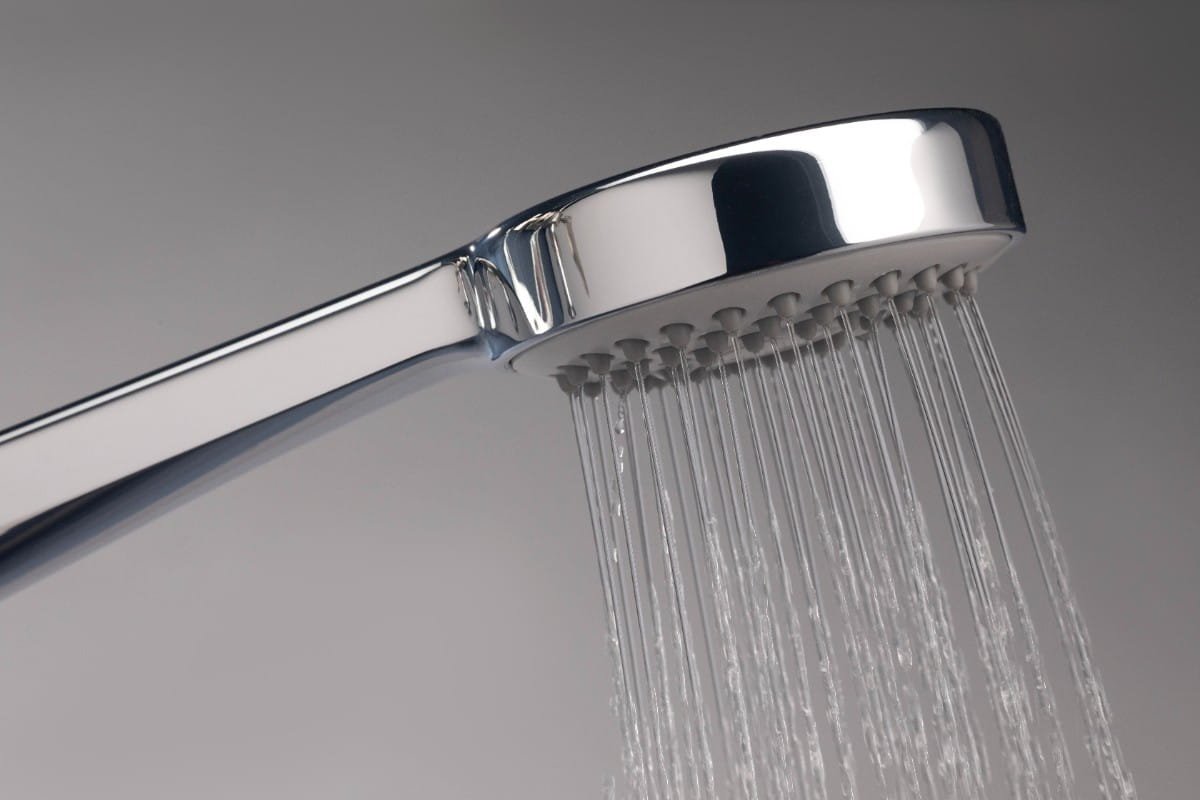
This drip, drip, drip that is coming from your bathroom is the worst. It’s the noise you hear at 2 a.m. when all around you is still. It keeps you up at night, leaves hard water stains all over your tub, and it sounds worse than anything else in your house.
Worse than the noise, a leaking shower head is quietly wasting water—and hiking up your utility bill — every single day. Nobody wants to pay for water that is literally going straight down the drain.
Leaking shower heads can waste hundreds of gallons annually. According to EPA WaterSense guidelines, proper maintenance and plumbing fixture repair can prevent damage and reduce water bills.
You probably want to know how to fix a leaking shower head problems without spending hundreds of dollars on a plumber. A plumber is overpriced, but you can do it yourself. Most shower leaks can be repaired with a few tools, a five-dollar spare part, and 30 minutes of your weekend.
Let’s figure out exactly what’s wrong with your fixture and get it fixed for good. Let’s prioritize safety, grab the necessary tools, and get the job done right.
Safety First: Before You Begin Fixing a Leaking Shower Head
Before you begin any DIY plumbing work, make sure you are aware of the risks and protect your home from damage.
- Kill the Water Supply
Never dismantle a shower valve without turning off the main water line to the house. Failing to do so will result in high-pressure water flooding your bathroom instantly.
- Cover the Drain
Place a washcloth or towel directly over your shower drain before unscrewing anything. Dropping a tiny set screw down the drain will turn a 30-minute fix into a frustrating nightmare.
- Electrical Hazards
If you have an electric shower heater unit, do not attempt to fix internal leaks yourself. Mixing water and high voltage is extremely dangerous. Call a licensed professional.
Diagnose the Drip: Determine Why and When Your Shower is Leaking
You cannot perform a proper leaking shower head repair if you do not understand where the failure is occurring. Pay close attention to exactly when the leak happens.
Shower Head Leaking When OFF
If a steady drip happens when the shower head is off, day and night, it’s not the shower head that’s the problem.
The problem lies behind your bathroom wall. You have a bad cartridge in the shower valve, or the tap seats are worn out. The cartridge controls the flow of water, but once the seals in the cartridge fail, the water won’t stop. So the water spills out of the showerhead, creeps past the valve, travels up the pipe behind your drywall, and into the tub.
Pro Tip: When you hear water drip, check the hot side of your mixing valve.
Shower Head Dripping When Water is ON
Is water vigorously spraying out of the sides of the base, the swivel joint, or the hose connections when you are showering? You have a connection problem.
It is the easiest leak to identify. It is caused by a flattened rubber washer in the fitting, loose threads at the point where the head meets the metal arm of the shower, or buildup of heavy minerals in the fitting. The water pressure goes backwards through the threads after the rubber nozzles get clogged.
Dripping Water Right After a Shower
You may not have a leak at all. The water is off, but a little water is still trapped inside the bent metal shower arm.
If the water drips for just 30 or 60 seconds after you turn the faucet off, it is normal gravity. If you want to fix a dripping shower head that continues to drip for 10+ minutes, please read on.
Why is My Shower Head Leaking? (4 Common Culprits)
Plumbing materials start to break down over time. If you are wondering, “Why is my shower head leaking?” the answer is one of these four things:
1) Worn-Out Rubber Washers and O-Rings: Rubber dries out, becomes stiff, and cracks. Eventually, the rings flatten out and lose their watertight seal.
2) Mineral Buildup and Hard Water: Hard water leaves calcium and limescale deposits inside your fixtures. Over time, these hard deposits clog your nozzles, increasing internal pressure and forcing water out at the weakest points.
3) Faulty Diverter Valve: If your bathtub has a spout and you notice that the shower head drips heavily while you fill the bath, your diverter valve is not functioning properly.
4) Excessively High Water Pressure: Anything above 80 psi will cause most seals in your home to give way. The ideal residential water pressure level is between 40 and 60 psi.
Essential Tools You Will Need
Do not start pulling things apart yet. Gather your gear first so you don’t make an embarrassing trip to the hardware store with a bathroom that has been completely deconstructed.

| Tool / Material | Purpose | Notes / Costs |
| Adjustable Wrench or Pliers | For loosening and tightening the metal fittings and nuts. | Chrome-plated for brass/stainless fittings (~$10) |
| Flathead Screwdriver | Popping off decorative handle caps and prying out old rubber washers. | For ceramic disc cartridges/diverter valves (~$5) |
| Microfiber Cloth or Rag | Wrapping around metal hardware to protect your chrome or matte finish from wrench scratches. | Wrap around metal shower heads (already own) |
| White Vinegar | The ultimate, natural mineral and calcium dissolving agent. | For hard water damage removal (~$2) |
| Old Toothbrush | Scrubbing hard water deposits out of the rubber nozzles. | For O-rings and rubber washers (already own) |
| Plumber’s Tape (Teflon) | Ensuring a watertight, leak-proof seal on threaded metal pipes. | Apply on PVC/metal threads (~$2) |
| Replacement Washers/O-rings | Re-establishing the watertight seal inside the shower head base. | Fits Moen, Delta, or generic cartridges (~$2) |
| Small Bucket/Container | Submerging and soaking the shower head in vinegar. | Useful for detaching shower head (already own) |
Pro Tip: Always inspect the brass diverter valve, ceramic cartridge, and shower arm for mineral buildup before reassembly. Using the right tool with care prevents damage and ensures a professional-quality DIY repair.
Step-by-Step: How to Fix a Leaking Shower Head
This procedure applies to leaks that occur while the water is actually running.
Step 1: Shut Off the Water Supply
- Rotate your shower handle to the “off” position.
- Locate the main water shut-off valve for your home and turn it off.
- Place a towel or small bucket in the tub to catch any stray drips.
Pro Tip: Always double-check that the water is completely off before removing any fixtures—this prevents sudden flooding and protects your bathroom.
Step 2: Remove the Shower Head
- Wrap a microfiber cloth around the nut where the shower head connects to the pipe. This prevents scratches on chrome or matte finishes.
- Use an adjustable wrench or pliers to loosen the nut by turning it counterclockwise.
- Once loosened, unscrew the shower head the rest of the way by hand.

Pro Tip: If the fixture is completely calcified and stuck in place, do not force it or you might snap the pipe inside the wall. Spray a little WD-40 or penetrating oil on the threads, wait 15 minutes, and try again.
Step 3: Clean the Nozzles and Remove Mineral Buildup
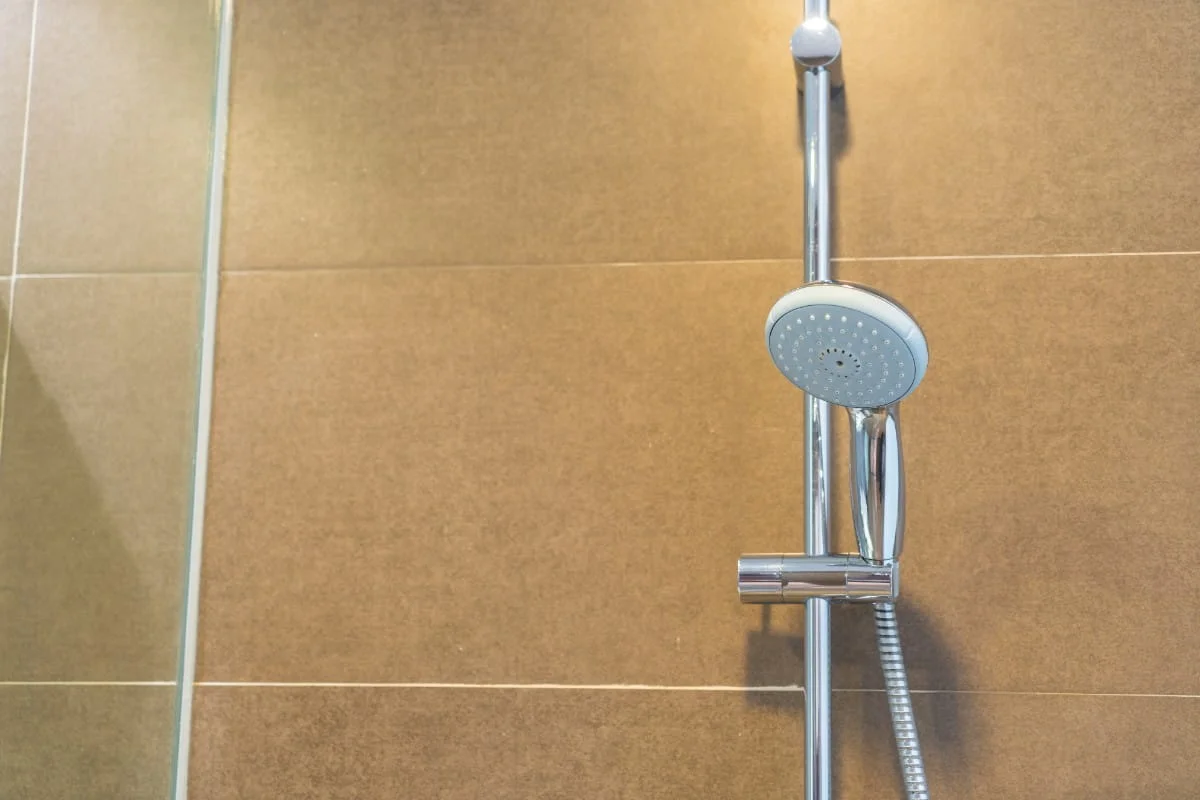
- Fill a small bucket with equal parts white vinegar and warm water.
- Submerge the metal shower head for 30–60 minutes to dissolve hard water deposits and mineral buildup.
- Use an old toothbrush to gently scrub the rubber nozzles, O-rings, and washers.
Pro Tip: For stubborn scale inside PVC or metal pipe connections, gently rotate the shower head while submerged to loosen deposits.
Step 4: Inspect and Replace Worn Washers
- Examine the threaded opening of the shower head and check the rubber washer or O-ring for cracks, stiffness, or flattening.
- Carefully remove the old washer with a flathead screwdriver.
- Insert a new washer or O-ring, ensuring it sits completely flat to restore a watertight seal for the metal shower arm and PVC pipe connection.
Pro Tip: Always use brand-specific replacements for Moen or Delta cartridges when applicable.
Step 5: Apply New Plumber’s Tape
- Remove any old Teflon plumber’s tape from the threads of the PVC pipe or metal shower arm.
- Wipe the threads clean to remove debris and mineral deposits.
- Wrap new plumber’s tape clockwise around the threads 3–4 times, pressing it into the grooves.
Pro Tip: Always wrap the tape clockwise. If you wrap it the wrong way, the tape will simply unravel and get tangled when you turn the shower head back on, ruining the seal.
Step 6: Reattach and Test for Leaks
- Thread the shower head onto the metal shower arm or PVow to fix showC pipe by hand, turning clockwise until snug.
- Wrap a microfiber cloth around the nut and tighten ¼ turn with an adjustable wrench.
- Turn the water on slowly and inspect for leaks around the shower head connection, diverter valve, and pipe threads.
Pro Tip: Persistent leaks may indicate mineral buildup inside the valve or misaligned washer, requiring further inspection or cartridge replacement.
Step-by-Step: Fixing a Shower Head Leaking When OFF (Valve & Cartridge Repair)
If you are unable to get the water to stop dripping all day and night, you have a failing inner valve in your shower head. You can still fix a dripping shower head yourself by replacing the cartridge.
Step 1: Turn off the Main Water Supply
Find the main shutoff valve for your home and turn it off. Turn on the faucet in the bathroom to bleed the lines and make sure the pipes are empty.
Step 2: Remove the Faucet Handle and Faceplate
To remove the brass shower valve from the wall, remove the small decorative plastic cap with a screwdriver. Unscrew the set screw hidden under it and pull the handle straight off the wall. Peel back the large trim plate between the tiles to reveal the brass valve body.
Pro Tip: Before you remove anything from the internal valve, take a clear picture with your smartphone. You’ll be able to get a sense of how the clips and the cartridge should align when you put it back together.
Step 3: Replace the Flow Cartridge
Inside that brass valve, you’ll find a plastic or brass cylinder (the cartridge) held in place by a small metal retaining clip or brass nut. Pull out the clip and grab the end of the cartridge, and pull it directly toward you.
You have to take your old cartridge to the hardware store and buy a new, brand-specific one. A Moen cartridge won’t fit a Delta valve. Slide the new cartridge in, making sure the alignment tabs match exactly. Replace the retaining clip, screw the faceplate back on, and reattach the handle.
Step 4: Check Tap Seats (For Older Two-Handle Showers)
If you have an older faucet with two hot and cold knobs, it may be that the valve seat is cracked (the tiny brass ring inside the tap). When this happens, water can just slip out of the rubber washer. To change the seat, get yourself a cheap “seat wrench.”
When to Stop the DIY and Call a Plumber
Knowing your limits shows that you are a good homeowner. If you experience any of the following problems, call a plumber:
- Water is leaking from behind the wall: If you notice soft, spongy drywall or water pooling behind the faceplate, there is likely a pipe problem inside the wall. (If the water stain appears on the ceiling after rain, the issue may not be plumbing at all. Check our guide on leaky roof repair before the damage spreads.)
- The leak persists after cartridge replacement. The roughed-in brass valve body inside the wall could be cracked, and you may have to cut drywall and solder copper pipes.
- You cannot find the main water shutoff. If you cannot confidently kill the water supply to your home, do not risk tearing a pressurized valve apart.
Frequently Asked Questions (FAQs)
How do I get my shower head to stop dripping?
Start by submerging the shower head in white vinegar for an hour to dissolve mineral deposits. Inspect and replace the small rubber washer inside the threaded connection. Clean the threads of the shower arm, wrap them clockwise with three layers of fresh Plumber’s tape, and screw back the head on.
How do I get a tighter seal for my shower head to stop leaking?
Ensure your new washer will fit perfectly flat. Before installing tape, wrap it clockwise to ensure it bites into the metal threads. Press the tape in place and tighten by hand, followed by one quarter-turn with a wrench.
Why is my shower head dripping water after a shower?
If it stops dripping within a minute or two, this is a normal gravity drip from the curve of the wall pipe. If it continues to drip for hours, your valve cartridge behind the wall is failing and must be replaced.
Wrapping It Up
Fixing a leaky shower fixture is a household task that feels much bigger than it actually is. By observing whether the leak happens when the water is running or turned off, you take the guesswork out of the repair.
Whether you need to replace a broken rubber washer, apply Plumber’s tape, or remove mineral deposits, learning how to fix a leaky shower head connections is simple and can be done quickly. Have the proper tools and knowledge to fix a shower head leak quickly without spending a dime on labor.